Rising Impact of Supply Chain Attacks on Cyber Insurance and Enterprise Risk
Breach & Incident Intelligence · 2 sources · Updated 5mo ago · First seen Jan 8, 2026
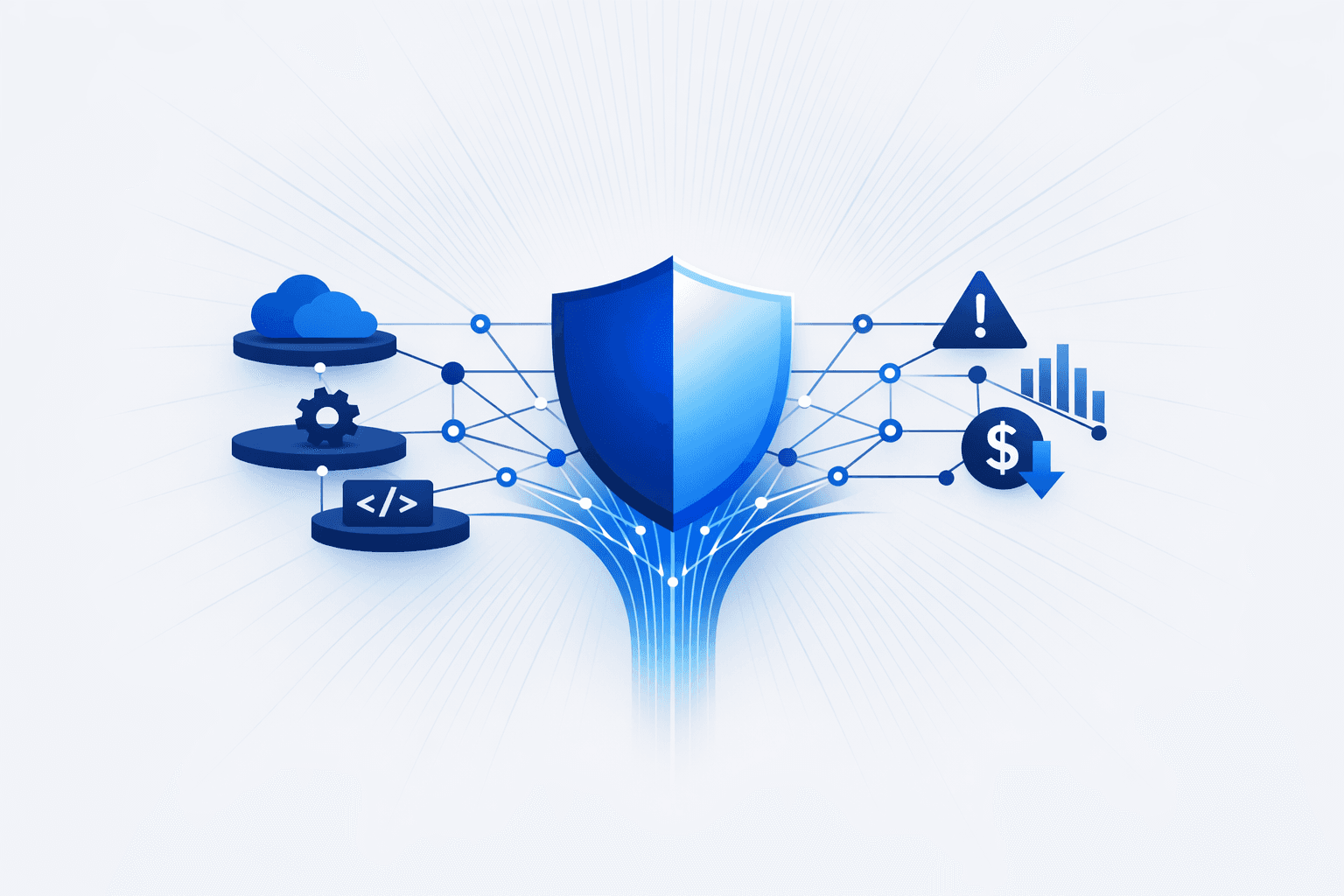
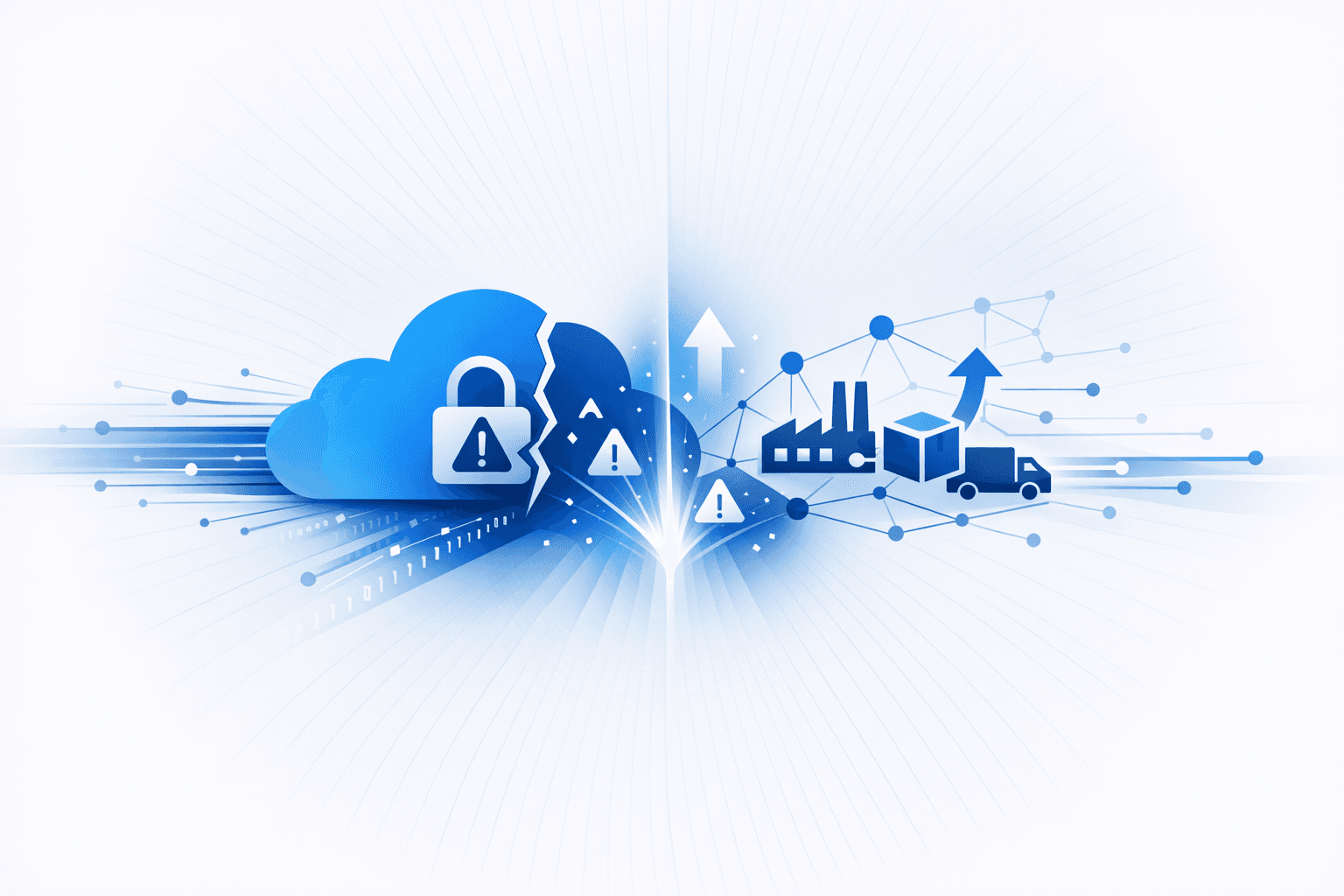
Supply chain attacks have become a major concern for organizations, with industry data showing that breaches involving third parties have doubled year over year and now account for approximately 30% of all data breaches. These attacks, which often target digital supply chains such as open-source software, SaaS platforms, and cloud services, have proven to be highly disruptive and costly, with average remediation costs exceeding $4.9 million and significant operational downtime. The most impactful supply chain incidents of 2025 have demonstrated the potential for digital compromises to trigger both digital and physical disruptions across multiple organizations simultaneously.
As the frequency and severity of supply chain attacks increase, cyber insurance providers are beginning to scrutinize policyholders' supply chain security controls more closely. Experts predict that the ability to obtain or renew cyber insurance—and even broader business-interruption coverage—will increasingly depend on the strength of an organization's software supply chain security and third-party risk management. While the current cyber insurance market is favorable for buyers, with lower premiums and broader coverage, this could change rapidly if supply chain-related claims continue to rise, prompting insurers to tighten requirements and increase rates.
Why it matters
Impact assessment
Supply chain risk is materially affecting enterprises that depend on SaaS platforms, cloud providers, managed service providers, open-source software, and enterprise tools. The immediate impact is not a newly disclosed exploit but a broad increase in breach likelihood, remediation cost, downtime exposure, and potential insurance coverage restrictions for organizations with weak third-party and software supply chain controls.
The exposure is widespread rather than targeted. Industry data cited in the story states that third-party-related breaches have doubled year over year, account for about 30% of all data breaches, and that 70% of organizations experienced at least one material third-party cyber incident in the past year; the story also notes that some 2025 digital supply chain incidents caused physical or operational disruption across multiple downstream organizations.
Supporting facts
- Affected populations: organizations using SaaS, cloud services, MSPs, open-source components, and enterprise software.
- Industries at risk: broad cross-sector exposure due to shared dependencies and concentration in major suppliers.
- Financial impact: average remediation cost for a supply chain breach exceeds USD 4.9 million.
- Operational impact: downtime losses can exceed USD 300,000 per hour.
- Insurance impact: insurers are adding software supply chain risk to underwriting, with possible higher self-insured retentions, expanded waiting periods, exclusions, or denied claims for undeclared risky dependencies.
- Scope: systemic risk from common providers/components can affect many organizations simultaneously.
- Known incidents in the wild: the story references major 2025 supply chain incidents and notes that most large cyber losses now stem from supply chain failures involving SaaS, cloud, and MSPs, but it does not disclose a new active exploitation campaign.
- Long-term loss projection: Munich Re projects software supply chain attacks will cost businesses USD 138 billion by 2031, up from USD 60 billion this year.