Major Cyber Threat Trends and Shifts in 2025
Emerging Technology Risk · 2 sources · Updated 5mo ago · First seen Jan 7, 2026
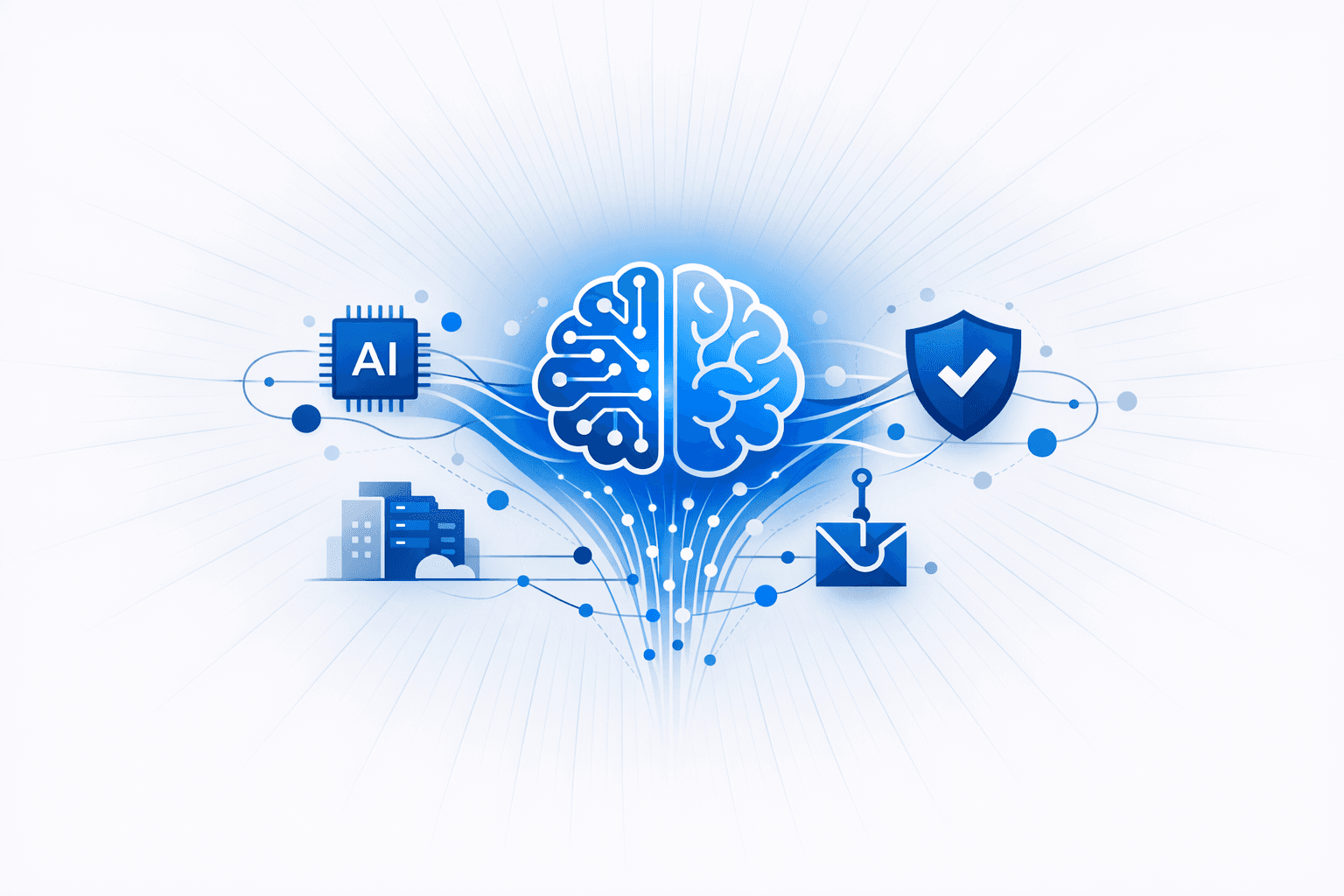
Cybersecurity research throughout 2025 revealed significant changes in the threat landscape, with both SentinelLABS and KrakenLabs reporting a marked evolution in attacker tactics and the professionalization of cybercrime. Threat actors increasingly leveraged artificial intelligence to automate attacks, generate convincing social engineering content, and bypass security controls, making AI a practical tool for both sophisticated and commodity threats. The exploitation of legitimate infrastructure, such as free-tier publishing platforms and commercial AI APIs, became commonplace, while adversaries also began monitoring defender intelligence-sharing platforms to stay ahead of detection. The rise of crimeware-as-a-service (CaaS) further industrialized cybercrime, enabling a broader range of actors to access advanced capabilities and monetize initial access to corporate networks.
Geopolitical tensions and the convergence of organized cybercrime with emerging technologies accelerated the pace and scale of attacks, with threat actors blending ideological motives with financially driven ransomware and extortion campaigns. Traditional carding fraud declined due to regulatory and law enforcement efforts, but attackers shifted focus to abusing trusted third-party platforms and exploiting identity and access management weaknesses. These developments defined the cyber threat environment in 2025 and set the stage for ongoing risks into 2026, as organizations faced increasingly sophisticated and industrialized adversaries.
Why it matters
Impact assessment
This story describes broad threat trends rather than a single discrete incident, but the operational impact is high because the observed shifts affect most enterprise environments that rely on SaaS, identity systems, public-facing web assets, cryptocurrency services, and common collaboration platforms. The main risk is widespread exposure to credential theft, ransomware, social engineering, third-party compromise, and abuse of trusted infrastructure, with multiple references indicating active exploitation in the wild.
Key impact points
- Affected populations include enterprises using SaaS platforms, organizations with exposed Fortinet FortiGate devices, Microsoft SharePoint deployments, cryptocurrency and Web3 platforms, and public-facing websites.
- Industries at elevated risk include aviation, government, NGOs, crypto/financial services, and organizations operating in geopolitically sensitive regions.
- Severity ranges from credential theft and fraud to destructive attacks, ransomware-driven operational disruption, extortion, and reputational damage.
- Scope is both widespread and targeted:
- Widespread: AI-enabled phishing, spam, credential theft, PPI/CaaS ecosystems, abuse of Telegram and free-tier publishing platforms.
- Targeted: Ukrainian relief organizations, Belarusian opposition, government entities, high-profile organizations with FortiGate exposure, and Salesforce-linked social engineering victims.
- Known in-the-wild activity is explicitly referenced for:
- SharePoint ToolShell exploitation via CVE-2025-53770
- Mass compromise and resale of FortiGate access by Belsen Group
- Large-scale phishing and spam campaigns such as FreeDrain and AkiraBot
- Active ransomware and stealer operations including DragonForce, PXA Stealer, Katz Stealer, and Black Basta-related activity
Structured facts extracted
- Entities: SentinelLABS, KrakenLabs, Microsoft, Validin, VirusTotal, Telegram, BreachForums, TopSec, Hafnium, Silk Typhoon, DragonForce, HellCat, Morpheus, FreeDrain, PXA Stealer, Katz Stealer, AkiraBot, Ghostwriter, PhantomCaptcha, ReaderUpdate, macOS.ZuRu, NimDoor, Belsen Group, EncryptHub, Olymp Loader, LabInstalls, Scattered LAPSUS$ Hunters, Black Basta, CyberAv3ngers, Handala, Gonjeshke Darande, zerodayx1, Lionishackers.
- Notable incidents:
- Over 15,000 compromised Fortinet FortiGate devices monetized by Belsen Group.
- Nobitex cryptocurrency attack destroyed $90 million in cryptocurrency.
- AkiraBot targeted over 400,000 websites and successfully spammed at least 80,000.
- FreeDrain used over 38,000 malicious subdomains for crypto phishing.
- PXA Stealer infected over 4,000 victims across 62 countries.
- Business risk themes:
- Identity and access abuse overtook reliance on novel exploits.
- Third-party SaaS exposure and social engineering remain central breach paths.
- Crimeware-as-a-service lowered barriers for affiliates and scaled attack volume.
- Attribution is increasingly difficult due to rebranding, code reuse, and mixed ideological/financial motives.