Surge in Chinese Cyberattacks Targeting Taiwan's Critical Infrastructure
Threat Actor Intelligence · 5 sources · Updated 5mo ago · First seen Jan 7, 2026
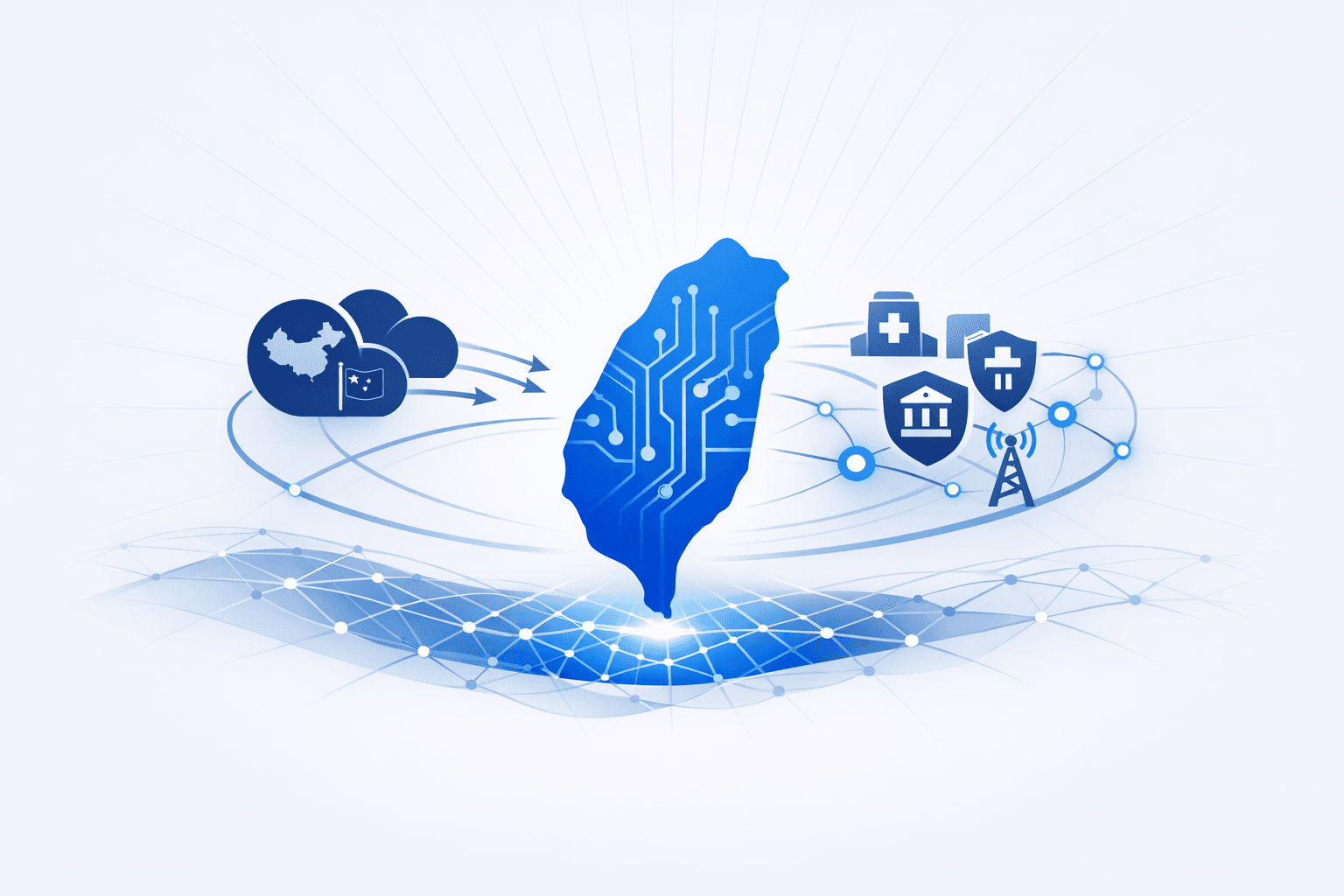
Taiwan's National Security Bureau reported a dramatic escalation in cyberattacks attributed to China, with incidents targeting the country's energy sector increasing tenfold in 2025 compared to the previous year. The overall number of cyber incidents linked to China grew by 6%, with critical infrastructure sectors such as energy, hospitals, emergency services, and banks being the primary targets. Attackers focused on exploiting hardware and software vulnerabilities, launching distributed denial-of-service (DDoS) attacks, conducting social engineering campaigns, and attempting supply-chain compromises. Notably, the energy sector, including petroleum, electricity, and natural gas companies, faced intensive probing of industrial control systems, with attackers seeking opportunities to inject malware during scheduled software upgrades.
The frequency of these attacks averaged 2.6 million per day, and many were reportedly coordinated with Chinese military exercises and major political events, such as speeches or international visits by senior Taiwanese officials. The semiconductor industry, including companies like TSMC, was also among the targets. While the Chinese government has denied involvement, Taiwanese authorities emphasize the strategic nature of these cyber operations, which often coincide with periods of heightened political tension. The report underscores the persistent and evolving threat posed to Taiwan's critical infrastructure by state-sponsored cyber actors from China.
Why it matters
Impact assessment
Taiwan’s critical infrastructure operators face a sustained, state-linked campaign with the highest pressure on energy, healthcare, telecommunications, government, semiconductor, and defense-related supply chains. The impact is severe because the activity combines espionage, operational disruption, ransomware, and pre-positioning against industrial and communications environments, with reported theft of hospital data and attempts to monitor or influence energy-sector operations.
The exposure is broad across nine critical sectors but also strategically targeted, with activity reportedly synchronized to political events and PLA military actions. Exploitation in the wild is established: Taiwan’s NSB reported 2.63 million daily intrusion attempts in 2025, at least 20 confirmed attack cases, ransomware incidents affecting hospitals, and a tenfold increase in attacks on the energy sector.
Supporting facts
- Affected sectors: energy, hospitals, emergency services, banks, telecommunications/communications, government agencies, semiconductor industry, defense supply chain, technology sector.
- Energy-sector attacks increased tenfold in 2025 versus 2024.
- Overall China-linked incidents across Taiwan’s critical infrastructure increased 6% year over year in 2025.
- Hospitals and emergency rescue reportedly saw a 54% increase in attacks.
- Communications/transmission sectors saw a 6.7% increase in incidents.
- Attack volume averaged 2.6-2.63 million intrusion attempts per day.
- Activity reportedly peaked around politically sensitive events, including the anniversary of President Lai’s inauguration, official speeches, overseas visits, and PLA readiness patrols.
- Reported consequences include stolen medical data sold on dark web forums, telecom compromise, theft of design documentation and strategic plans, and attempted access to backup communications and operational planning data.
- Named entities: Taiwan National Security Bureau (NSB), TSMC, BlackTech, Flax Typhoon, Mustang Panda, APT41, UNC3886.