AI Security Priorities and Ransomware Resilience in Modern Enterprises
Emerging Technology Risk · 2 sources · Updated 5mo ago · First seen Jan 5, 2026
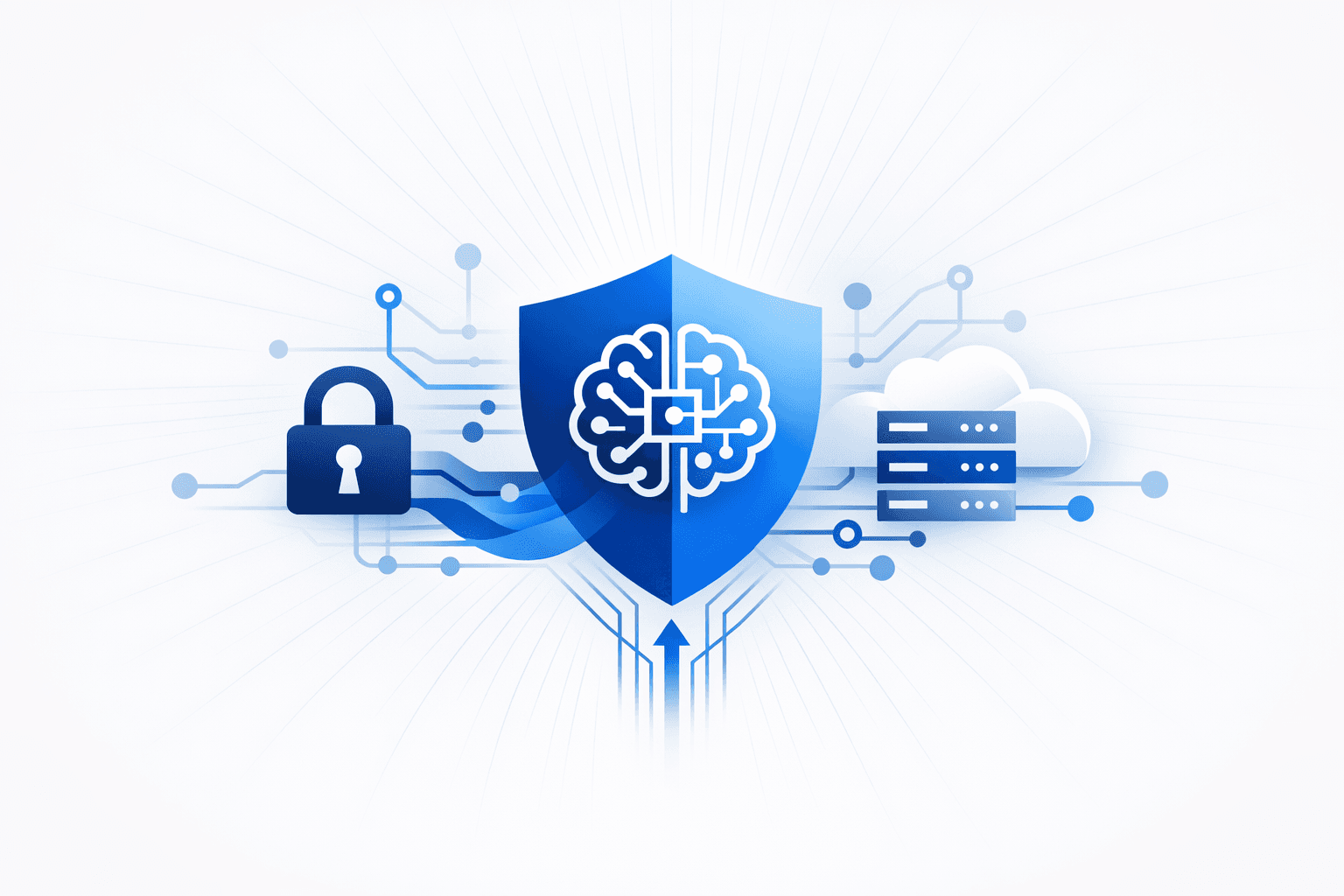
Cybersecurity leaders are increasingly prioritizing resilience and architectural discipline in response to the growing integration of AI and cloud infrastructure within enterprise environments. CISOs are focusing on proactive strategies, such as well-structured project management and intentional design, to strengthen system stability and reliability. The adoption of AI is reshaping both the threat landscape and defensive architectures, with automation and orchestration tools being leveraged to accelerate detection and incident response, thereby reducing dwell time and containing threats more effectively.
Ransomware remains a top concern for organizations, particularly as attackers target AI-driven data pipelines and platforms. Modern ransomware tactics exploit vulnerabilities in AI agents, model checkpoints, and MLOps workflows, often bypassing traditional backup-focused defenses. Enterprises are advised to embed ransomware resilience into the design of AI data pipelines, considering both training and operational environments, to mitigate the risk of widespread compromise. The evolving threat landscape underscores the need for continuous adaptation of security measures to protect critical AI assets and maintain business continuity.
Why it matters
Impact assessment
This story highlights a broad enterprise exposure rather than a discrete incident. Organizations building or operating AI-enabled services, MLOps pipelines, hybrid cloud data platforms, and SaaS-heavy environments face elevated ransomware and resilience risk because attackers can disrupt not only files but also model checkpoints, training data, logs, and operational workflows.
The potential impact is severe: operational disruption to AI-dependent business processes, loss or corruption of hard-to-recreate training data, failed analytics and compliance workflows, and prolonged recovery if backups are reachable or shared with production identities. The scope is widespread across modern enterprises adopting AI and cloud architectures, but the content does not report a named campaign, specific victim set, or confirmed exploitation in the wild tied to a new vulnerability.
Supporting facts
- Affected populations: enterprises using AI data pipelines, agent-based AI systems, MLOps workflows, hybrid cloud environments, and SaaS-integrated operations.
- High-risk sectors are implicitly those with heavy AI and regulated data use, including finance, healthcare, and large multinational enterprises.
- Business impacts described include ransomware-driven corruption or deletion of model checkpoints, training data, transaction logs, and recovery repositories.
- Compliance and analytics operations may fail if logs and critical datasets are deleted or tampered with.
- Traditional backup-centric defenses are described as insufficient for distributed AI workloads.
- Veeam’s 2024 ransomware trends report is cited as finding 96% of ransomware attacks attempt to corrupt or delete backup repositories early in the attack.
- The story frames ransomware as the leading cyber risk in the World Economic Forum’s 2025 survey.
- No specific ransomware group, victim organization, or confirmed active exploitation case is identified in the references.