Third-Party Risk Management and Governance Challenges for CISOs
Breach & Incident Intelligence · 2 sources · Updated 5mo ago · First seen Jan 2, 2026
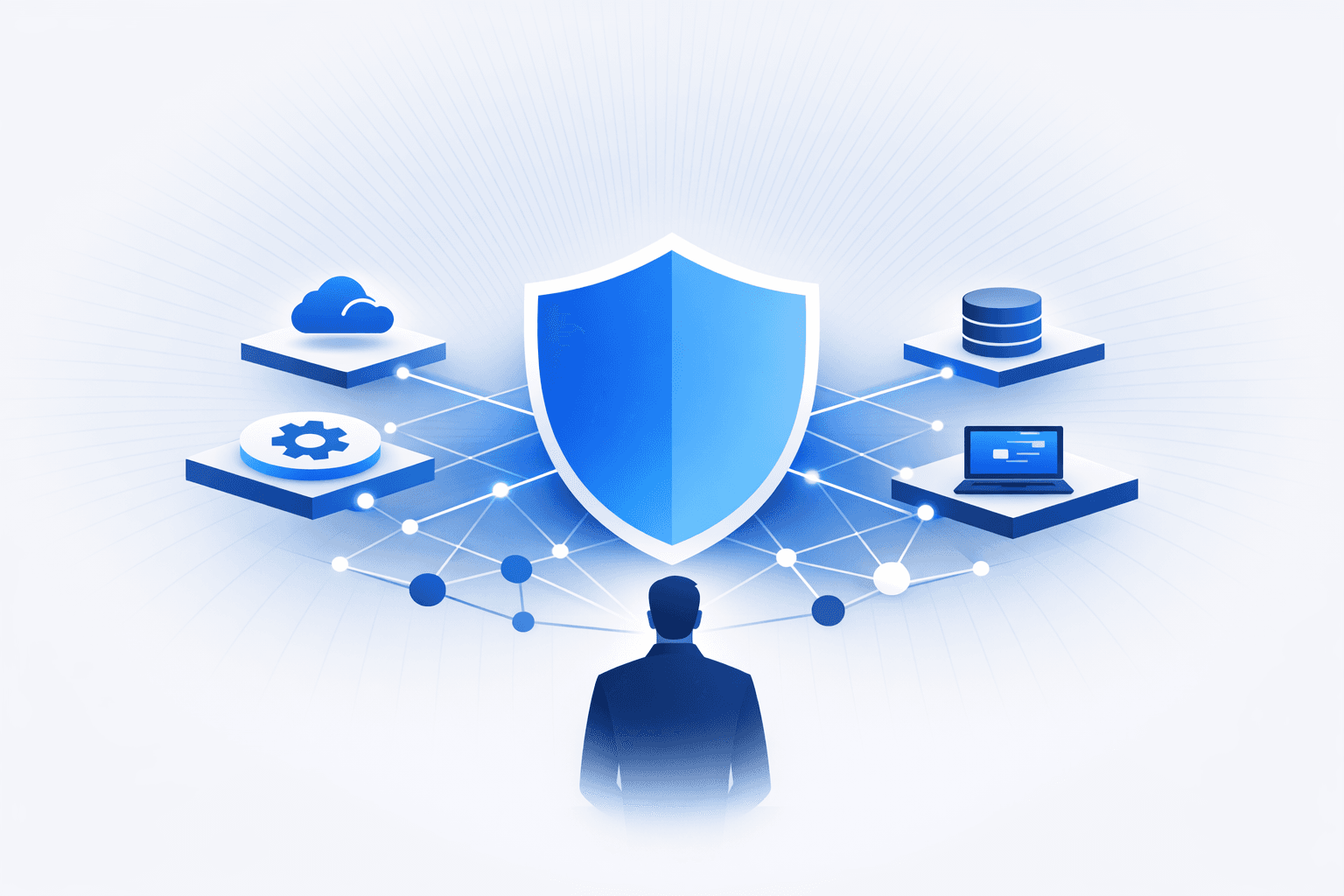
CISOs are increasingly confronted with the complexities of third-party risk management, as reliance on a vast ecosystem of external vendors and SaaS providers exposes organizations to significant operational and security risks. The challenge is compounded by the growing number of cyberattacks targeting third-party software, such as the incident involving APT29's attack on TeamViewer, which highlights the vulnerability of widely used remote access tools. Effective risk management requires not only identifying and monitoring these external dependencies but also ensuring transparency and accountability throughout the software supply chain.
In parallel, the evolving landscape of digital trust—exemplified by the shortening of TLS/SSL certificate lifespans to 47 days—demands that organizations treat certificate management as a critical business continuity function rather than a routine IT task. Governance and risk management frameworks must adapt to these operational realities, emphasizing proactive decision-making, clear accountability, and automation readiness to prevent outages and maintain resilience. CISOs must align security strategies with business objectives, ensuring that risk ownership and governance are embedded at every level of the organization.
Why it matters
Summary
This story describes strategic third-party and certificate-governance risk rather than a newly disclosed exploit. Organizations with large SaaS, software supply-chain, and PKI footprints are affected most, with potential impact including business disruption, outage-driven revenue loss, and reputational damage if a vendor compromise or certificate expiration interrupts critical services.
Affected organizations
- Enterprises dependent on hundreds or thousands of third-party vendors
- Organizations using remote-access platforms such as TeamViewer, Perimeter81, AnyDesk, GoToMyPC, and LogMeIn
- Security-sensitive sectors with mature supplier ecosystems, including financial services
- Organizations with large TLS/SSL certificate estates and limited certificate lifecycle automation
Severity and scope
- Scope is broad because third-party dependencies and certificate management are common across enterprise environments.
- Impact is primarily operational and governance-related: service outages, delayed incident response, supply-chain exposure, and increased administrative burden.
- Certificate outages are cited as costing between $500,000 and $5 million per incident.
- Risk is amplified where organizations lack visibility into vendor dependencies or unmanaged certificates.
Known incidents and exposure context
- The story references the June 2024 TeamViewer incident attributed to APT29 as an example of third-party provider targeting.
- No new compromise, CVE, or active campaign is disclosed in this story.
- The article frames these issues as systemic exposure and resilience challenges rather than a single emergent incident.