Risks and Governance Challenges of Expanding AI Agent Access
Emerging Technology Risk · 2 sources · Updated 5mo ago · First seen Dec 25, 2025
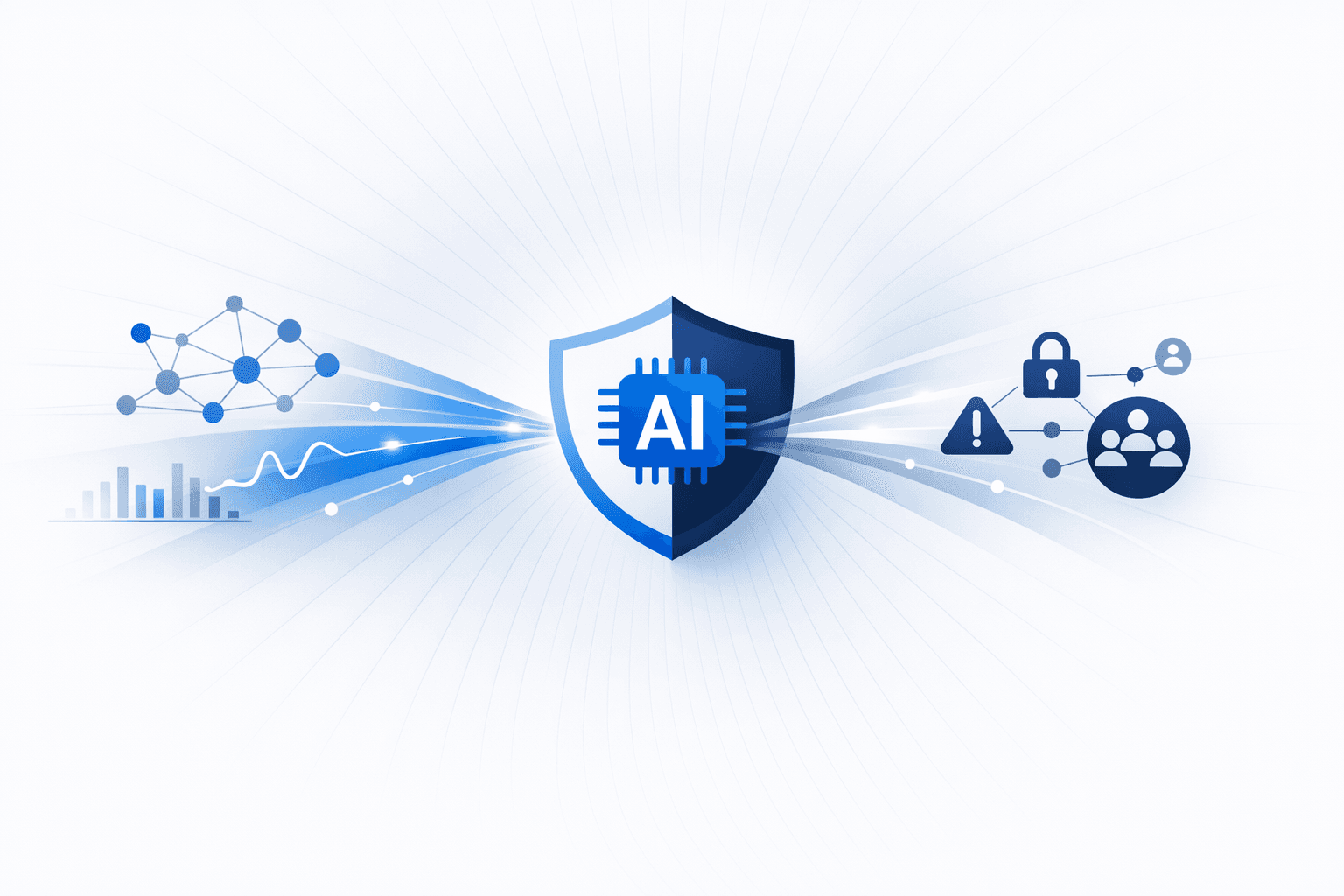
The rapid evolution of generative AI systems, such as ChatGPT and Google Gemini, is ushering in a new era where AI agents and assistants are designed to perform tasks and make decisions on behalf of users. To function effectively, these AI agents require deep access to personal data and operating systems, raising significant concerns about privacy and cybersecurity. Experts warn that the trade-off for increased convenience is the exposure of sensitive information, as these agents often need extensive permissions to personalize services and interact with various applications.
Simultaneously, global debates are intensifying over how AI should be governed, with China advancing an ambitious agenda to shape international AI rules. Beijing's approach emphasizes state control and anticipatory censorship, which could have far-reaching implications for freedom of expression and the global regulatory landscape. As AI agents become more integrated into daily life, the intersection of technical risks and governance models will play a critical role in determining the balance between innovation, security, and civil liberties worldwide.
Why it matters
Summary
The story describes strategic privacy, governance, and cyber-risk concerns tied to expanding AI agent access, not a discrete vulnerability or active intrusion campaign. Organizations adopting AI assistants with broad access to endpoints, email, code repositories, databases, collaboration platforms, and cloud storage face elevated risk of sensitive data exposure, unauthorized actions, and compliance failures if permissions, logging, and data handling controls are weak.
Supporting details
Who is affected
- Enterprises deploying AI agents or assistants with access to internal systems and business data.
- Consumers using AI assistants integrated with operating systems, personal devices, or online platforms.
- Sectors handling sensitive data, including technology, finance, healthcare, legal, government, and regulated industries.
- Users of products and services referenced in the story, including OpenAI ChatGPT, Google Gemini, Microsoft Recall, and Tinder AI features.
Severity and business impact
- Primary risks are privacy loss, unauthorized disclosure of sensitive information, excessive data collection, and downstream compliance or reputational damage.
- Operational risk increases when AI agents can take actions on behalf of users, such as interacting with applications, managing workflows, or accessing enterprise knowledge stores.
- Governance risk is significant for multinational organizations because diverging AI regulatory models may create legal, policy, and content-control conflicts across jurisdictions.
Scope and exploitation status
- Exposure is potentially widespread because the story concerns broad market adoption of AI assistants rather than a niche product flaw.
- The article does not report a specific CVE, breach, or confirmed exploitation in the wild.
- The governance portion is strategic and policy-focused, with implications for future compliance and information-control requirements rather than immediate technical compromise.