Mallory
← Back to News
healthcare-sector-threatcybersecurity-regulationai-enabled-threat-activitythird-party-vendor-breach

AI's Impact on Healthcare Data Breach Trends and Industry Response

Sector Threat Intelligence · 3 sources · Updated 5mo ago · First seen Dec 23, 2025
AI's Impact on Healthcare Data Breach Trends and Industry Response

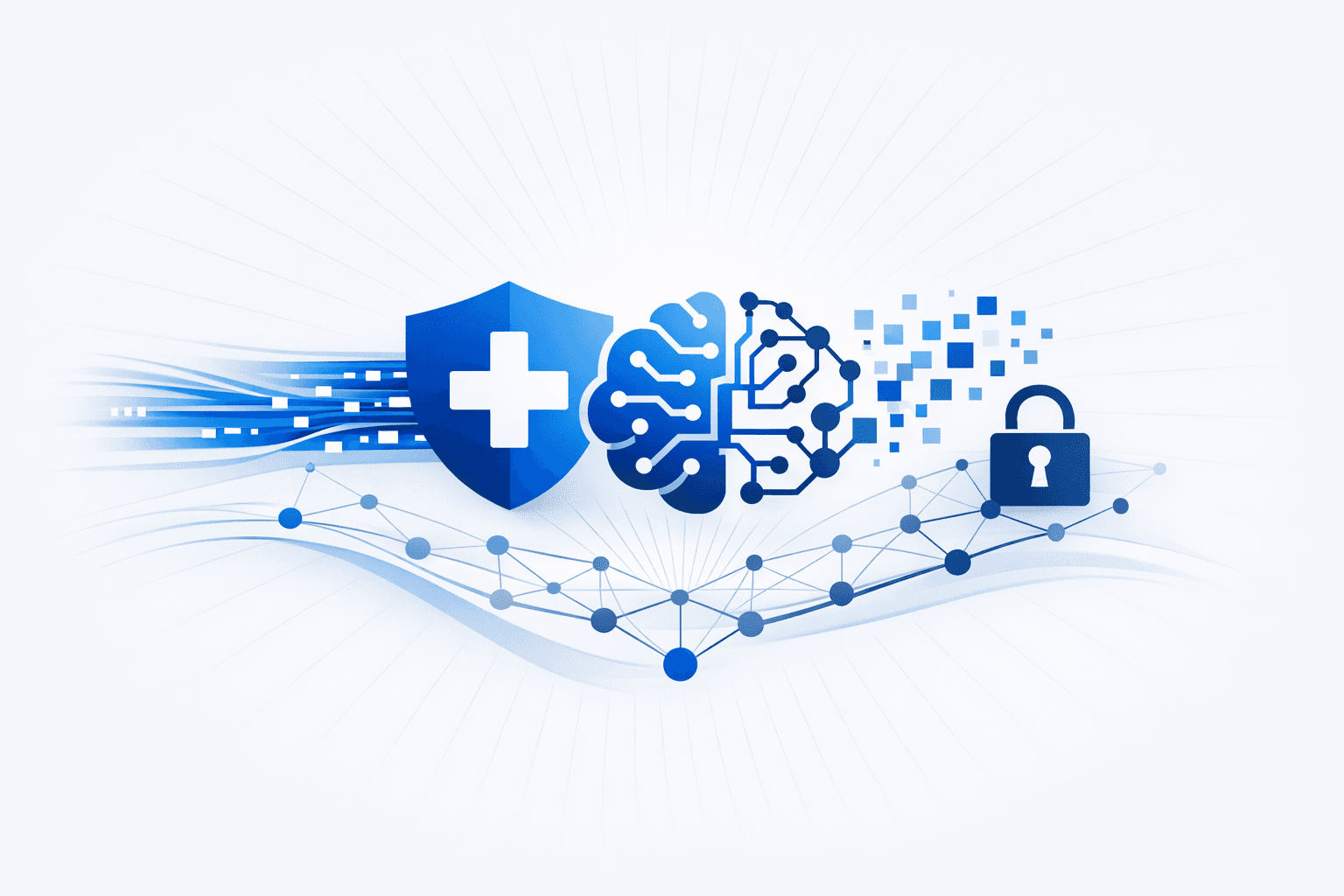
Artificial intelligence is increasingly influencing the healthcare sector's cyber threat landscape, with both attackers and defenders leveraging AI tools. Experts warn that as larger healthcare organizations strengthen their defenses, cybercriminals are shifting focus to smaller medical practices, insurers, and third-party vendors, which often lack the resources and sophistication to counter advanced AI-driven attacks. The complexity of the healthcare ecosystem, with frequent data exchanges among various entities, further amplifies the risk of breaches, particularly among less mature organizations.

In response to the surge in healthcare cyberattacks and data breaches, the US Department of Health and Human Services (HHS) proposed updates to the HIPAA Security Rule aimed at bolstering cybersecurity requirements. However, these proposed changes have faced significant pushback from industry groups, who argue that the new rules impose unrealistic financial and operational burdens, especially given the short implementation timelines. A coalition of over 100 healthcare organizations has called for the immediate withdrawal of the proposed rule, highlighting the tension between regulatory efforts to address AI-driven threats and the industry's capacity to comply.

Why it matters

Impact assessment

AI is increasing pressure on the healthcare sector, but the immediate story is primarily about rising exposure and regulatory friction rather than a newly disclosed exploit. The most affected populations are smaller medical practices, insurers, business associates, and third-party vendors that handle ePHI and often lack the staffing, tooling, and resilience of large hospital systems.

The impact is potentially severe because healthcare breaches can drive medical identity theft, class-action litigation, regulatory scrutiny, and operational disruption to patient care and claims processing. Exposure appears widespread across the US healthcare ecosystem due to dense data-sharing relationships and supply-chain dependencies, and the story references prior real-world disruption through the Change Healthcare ransomware incident affecting 190 million individuals.

Supporting facts

  • Affected sectors and entities:
    • Healthcare providers, especially smaller medical practices
    • Health insurers
    • Third-party vendors and business associates
    • Hospitals, cancer centers, and rural health clinics
  • Data at risk:
    • Electronic protected health information (ePHI)
    • Medical identity data and other patient identifiers
  • Business impacts cited:
    • Increased medical identity theft expected in 2026
    • Increased class-action lawsuits tied to healthcare breaches
    • Financial burden from compliance, contract updates, and control deployment
    • Operational disruption risk from implementing MFA, segmentation, and patching in clinical environments
  • Scope and exposure:
    • Risk is ecosystem-wide because healthcare entities frequently exchange data with partners
    • Breach trends are shifting toward third-party supply-chain partners rather than direct compromise of large healthcare organizations
  • Known incidents/exploitation context:
    • The Change Healthcare ransomware incident is cited as causing widespread and prolonged disruption to patient care, claims processing, and pharmaceutical services
    • The article states the Change Healthcare incident affected 190 million individuals
  • Named entities:
    • US Department of Health and Human Services (HHS)
    • HIPAA Security Rule
    • College of Healthcare Information Management Executives (CHIME)
    • Yale New Haven Health System
    • American Medical Association
    • TransUnion
    • Mind
    • Change Healthcare
Who's targeting your sector?See the actors and campaigns active against you right now.
See sector threats
Event timeline

How this story unfolded

Events from the most recent confirmed update back to the earliest known activity.

6 events · Dec 23, 2025 – Jan 1, 2026
  1. Jan 1, 202611mo ago

    TransUnion predicts rise in medical identity theft in 2026

    Van Dyke forecast that incidents of medical identity theft will increase in 2026 as AI changes attacker behavior and breach patterns in healthcare. He also pointed to growing litigation and third-party breach risks as part of the evolving threat landscape.

  2. Dec 23, 202511mo ago

    Experts warn AI is shifting healthcare attacks toward smaller organizations

    Jim Van Dyke of TransUnion said AI is reshaping healthcare cyber threats, with attackers increasingly targeting smaller medical practices, insurers, and third-party vendors as larger organizations improve defenses. He also highlighted growing supply-chain exposure and more selective data theft by attackers.

  3. Dec 23, 202511mo ago

    Healthcare coalition urges HHS to withdraw and rework proposal

    During the public comment period, a CHIME-led coalition of roughly 100 healthcare organizations submitted a letter opposing the proposed HIPAA Security Rule overhaul. The group argued the rule would impose unrealistic deadlines, major financial burdens, and complex compliance obligations, and asked HHS to collaboratively rework it.

  4. Dec 23, 202511mo ago

    HHS proposes overhaul of the HIPAA Security Rule

    The US Department of Health and Human Services proposed updates to the HIPAA Security Rule to strengthen healthcare cybersecurity in response to rising attacks and breaches. The proposal included more prescriptive requirements such as stronger authentication, segmentation, and contract updates for business associates.

  5. Date unknown

    Change Healthcare breach total reaches 190 million affected individuals

    The Change Healthcare incident was reported to have affected 190 million individuals, underscoring the scale of recent healthcare data breaches. This figure was referenced in later policy debates over stronger HIPAA security requirements.

  6. Date unknown

    Change Healthcare ransomware attack disrupts healthcare sector

    A ransomware incident at Change Healthcare caused prolonged operational disruptions across the healthcare ecosystem. The attack was later cited as a major example of the scale of cyber risk facing the sector.

Linked entities

Related entities

Vulnerabilities, threat actors, malware, products, organizations, and breaches Mallory has linked to this story.

Open in app →

Organizations

1 linked
Change Healthcare
Do you run this?See the adversaries and campaigns active against your sector right now, ranked by what they're exploiting.
See Your Sector's Threats
Mallory platform

See the full picture, correlated to your attack surface.

This page covers what’s public. Mallory adds the parts that aren’t: which of your assets are affected, which threat actors are using it right now, and what to deploy next.

Exposure mappingMap indicators from this story to your assets and identify affected systems in minutes.
Threat actor evidenceEvery observed campaign, victim, and pivot linked to actors named in this story.
Associated malwareMalware, exploits, and IOCs connected to the activity described here.
Detection signaturesYARA, Sigma, and Snort rules deployed to your SIEM as soon as they’re published.
Scheduled alertsGet matching new stories delivered to your team as they break, not the next morning.
AI threadsAsk questions about this story and take action on the answers.