Deepfake Impersonation and Legislative Response in the United States
Social Engineering & Fraud · 2 sources · Updated 5mo ago · First seen Dec 19, 2025
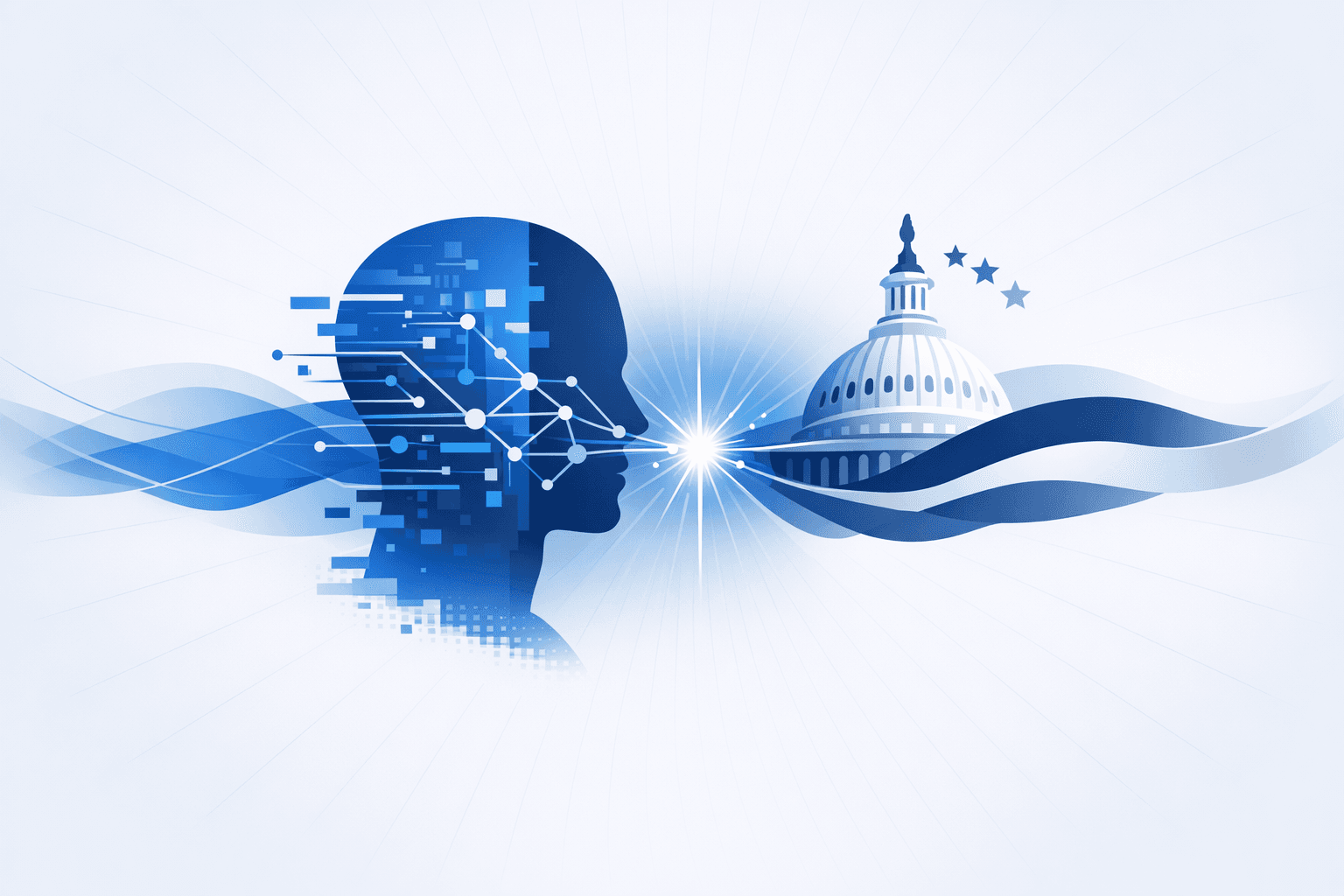
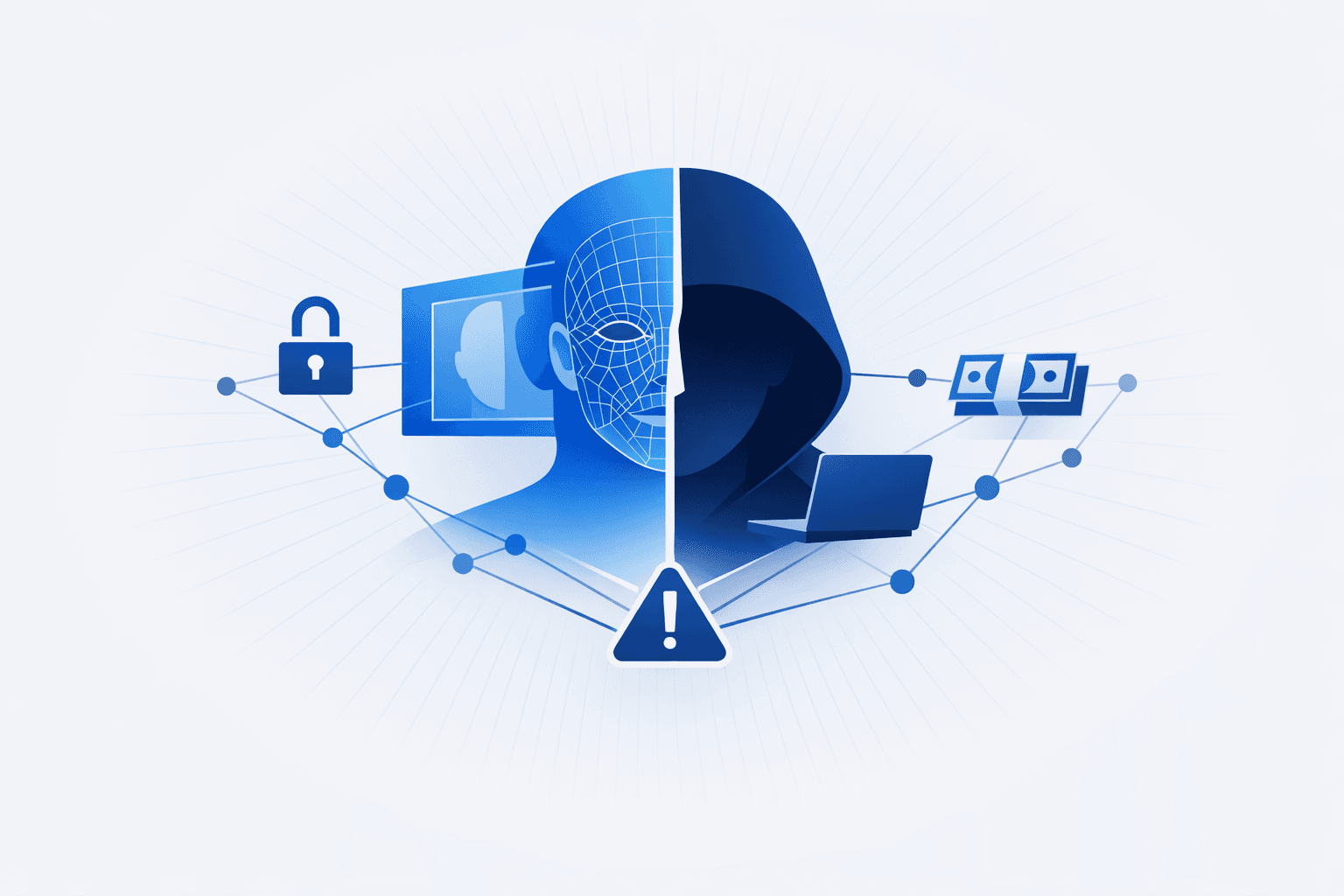
The FBI has reported ongoing campaigns in which unknown actors use AI-powered voice cloning and deepfake technologies to impersonate senior U.S. government officials, including members of Congress and Cabinet-level leaders. These impersonators initiate contact via SMS and then move conversations to encrypted messaging apps such as Signal, WhatsApp, and Telegram, leveraging AI voice cloning to convincingly pose as high-level officials. The FBI's updated assessment reveals that these activities have been occurring since at least 2023, targeting not only officials but also their family members and acquaintances, with the intent to extract sensitive information or perpetrate scams.
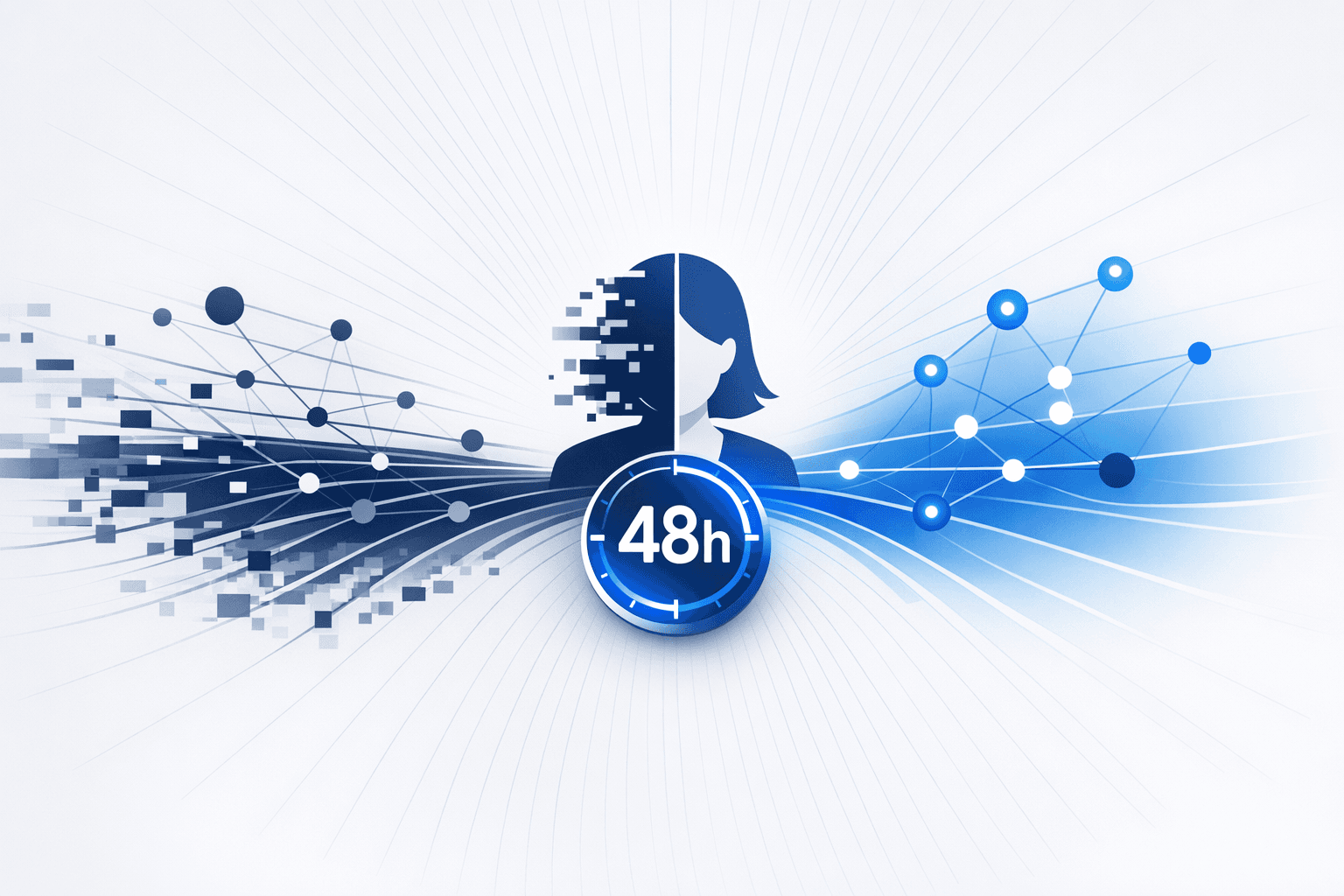
In response to the growing threat of malicious deepfakes, the U.S. government has enacted the Take It Down Act, one of the first major federal laws specifically targeting the spread of nonconsensual AI-generated deepfake pornography. The law criminalizes the publication of such content, mandates its removal within 48 hours upon notification, and empowers the Federal Trade Commission to enforce compliance. The U.S. Sentencing Commission is now seeking public input on sentencing guidelines, proposing penalties of up to two years' imprisonment for adults and three years for minors, reflecting the seriousness with which lawmakers are treating the misuse of deepfake technology for harassment and abuse.
Why it matters
Impact assessment
The immediate operational risk is targeted social engineering against U.S. government officials, diplomats, their family members, and trusted personal networks using convincing AI-generated voice and video impersonation. The likely impact includes credential or contact-list compromise, disclosure of sensitive personal or government-adjacent information, fraudulent fund transfers, and reputational harm through false statements attributed to senior officials.
The exposure appears targeted rather than indiscriminate, but the campaign has been ongoing since at least 2023 and spans multiple administrations, indicating persistence and broad access to high-value victim sets. The FBI and State Department have acknowledged active incidents in the wild, including impersonation of Cabinet-level officials and propagation through victims’ contact networks.
Affected entities and populations
- U.S. federal government officials, including White House, Cabinet-level, state government, and congressional figures
- Diplomats and State Department personnel
- Family members and personal acquaintances of officials
- Secondary victims reached through compromised or harvested contact lists
- Platforms used for outreach and follow-on engagement: SMS, Signal, WhatsApp, Telegram
Severity and business impact
- Sensitive information theft, including passport photos and other personal data
- Fraud risk through requests to wire funds overseas
- Expanded targeting through access to victims’ contact lists
- Reputational and political harm from fabricated audio/video statements
- Trust erosion in executive communications and identity verification workflows
Scope and known activity
- FBI states the impersonation activity is ongoing as of December 2025
- Activity dates back to at least 2023
- Known examples include impersonation of Secretary of State Marco Rubio and a deepfake video involving former State Department spokesperson Matthew Miller
- State Department issued warning cables to diplomats, confirming operational concern and active defensive response
Legislative context
- The Take It Down Act primarily affects platforms, publishers, and victims of nonconsensual intimate imagery rather than enterprise infrastructure directly
- Compliance exposure exists for online services that host user-generated content because the law requires removal of covered content within 48 hours of notice and enables FTC enforcement