Abuse of DCOM and COM Objects for Lateral Movement and Persistence
Attack Tradecraft · 3 sources · Updated 5mo ago · First seen Dec 19, 2025
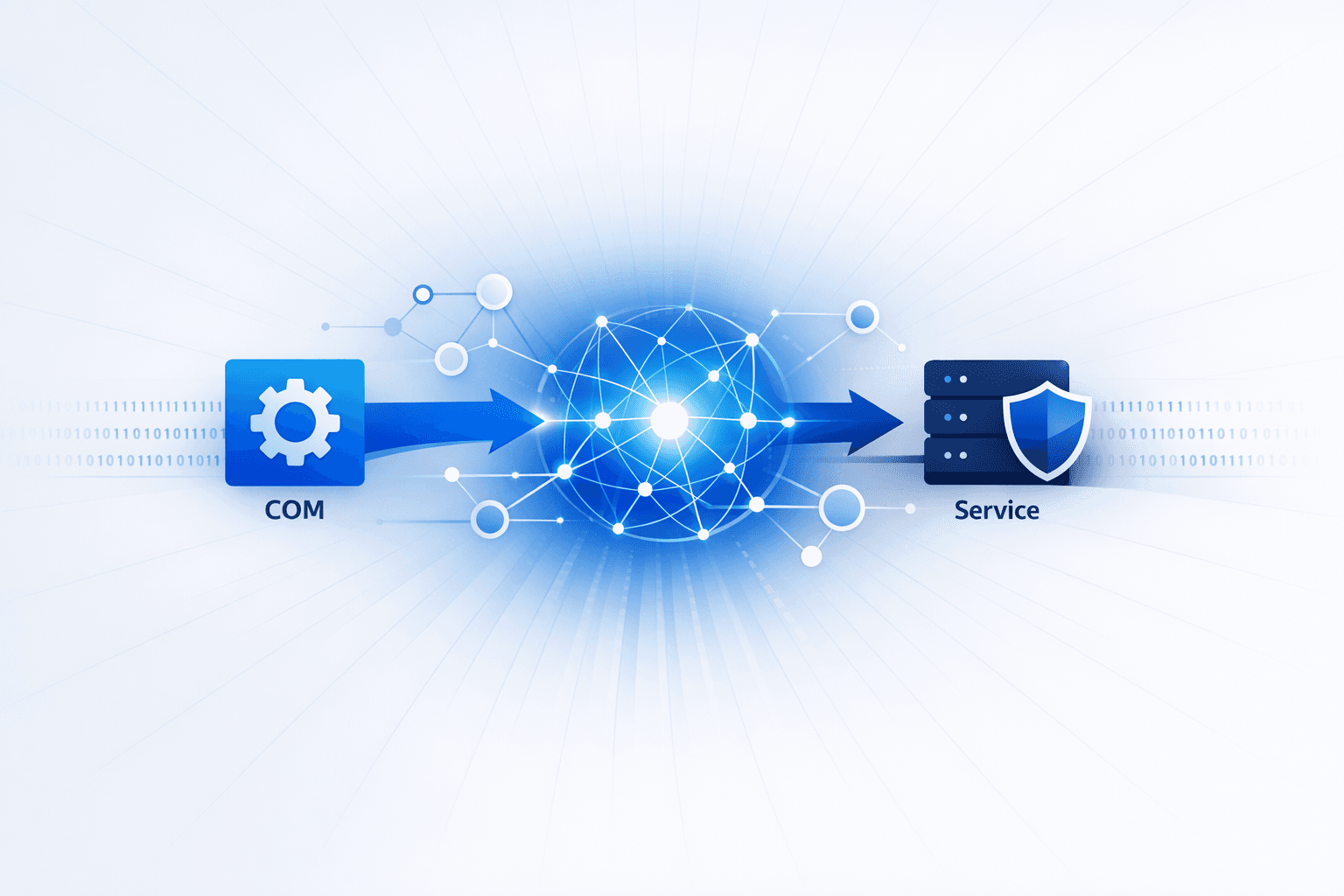
Security researchers have identified new and stealthy techniques leveraging Microsoft’s Component Object Model (COM) and Distributed COM (DCOM) technologies for lateral movement and persistence within Windows environments. One report details the discovery of a previously undocumented DCOM object that can be abused for remote command execution and persistence by exploiting Control Panel items, highlighting both the technical mechanisms and detection strategies for defenders. The research also reviews the current state of tools like Impacket’s dcomexec script and discusses how adversaries enumerate and leverage COM objects for malicious purposes.
In a separate breach assessment, investigators uncovered a threat actor using a ComHandler within Windows Scheduled Tasks to maintain long-term command-and-control access. The attacker deployed custom surrogate DLLs and targeted tasks named User_Feed_Synchronization-{GUID} to execute code, remaining undetected for at least seven months. This technique, tracked as UKC-1230, demonstrates the real-world application of COM-based persistence and the challenges defenders face in detecting such abuse, especially when attackers mimic legitimate system activity.
Why it matters
Impact assessment
COM/DCOM abuse in Windows enables both stealthy lateral movement and durable persistence using native operating system mechanisms, primarily affecting enterprise Windows environments with administrative access pathways, scheduled tasks, and remote management exposure. The impact is high because these techniques blend into legitimate system activity, can survive for months, and support remote code execution, command-and-control persistence, and follow-on compromise across hosts.
Summary
The story describes two actionable risks: a newly documented DCOM execution/persistence path via Control Panel COM objects, and a real-world intrusion using COM-handler scheduled tasks for long-term persistence. Exposure is broad across Windows estates, while observed abuse appears targeted and post-compromise; at least one technique was confirmed in the wild with seven months of persistence.
Affected populations
- Organizations operating Windows endpoints and servers with DCOM enabled and administrative remote access paths.
- Enterprises relying on Scheduled Tasks, COM registration, and Remote Registry in managed Windows environments.
- Security teams defending environments where attackers can obtain local admin or domain admin privileges for lateral movement.
- Industrial and legacy Windows environments may face elevated risk because COM/DCOM remains deeply embedded in Windows and related technologies.
Severity and business impact
- Remote code execution and persistence are possible through trusted Windows components.
- Attackers can maintain long-term C2 while masquerading as legitimate COM Surrogate and scheduled task activity.
- Operational impact includes stealthy lateral movement, delayed detection, incident response complexity, and potential enterprise-wide compromise.
- Business impact can include data theft, prolonged unauthorized access, recovery costs, and reputational damage due to extended dwell time.
Scope and exploitation status
- The COpenControlPanel DCOM technique is a broadly applicable post-compromise tradecraft opportunity in Windows environments.
- The ComHandler persistence technique tracked as UKC-1230 was observed during a breach assessment and persisted undetected for at least seven months.
- BHIS reported artifacts suggesting this persistence method has been used in the wild for over a year, with evidence dating back to 2024-01-31.
- Abuse requires attacker foothold and, for remote DCOM triggering, administrative privileges under default DCOM security conditions.