Enterprise Security Challenges and Risks from AI Adoption
Emerging Technology Risk · 5 sources · Updated 5mo ago · First seen Dec 17, 2025
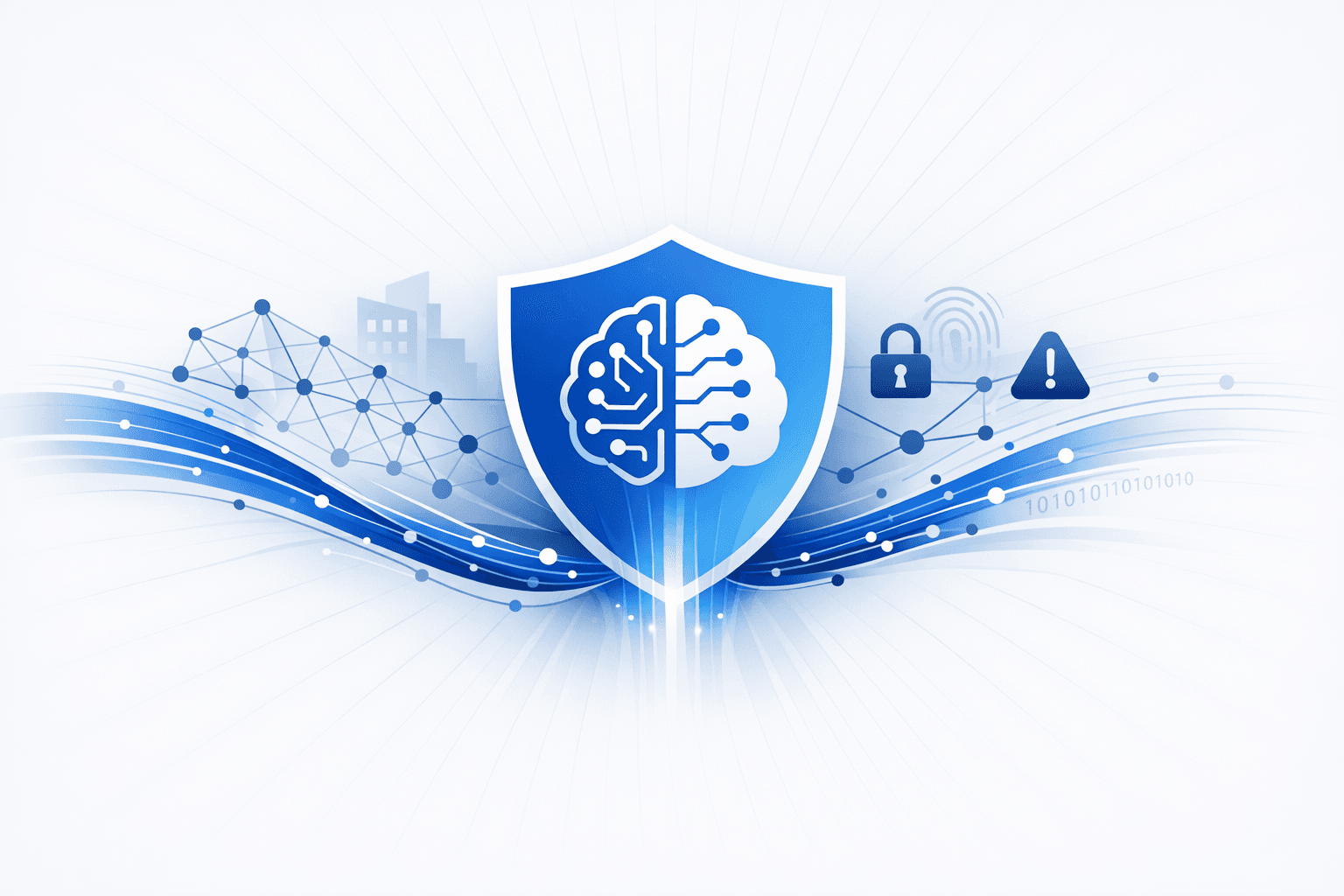
The rapid integration of artificial intelligence into enterprise operations is fundamentally altering the cybersecurity landscape. AI is now embedded in core business workflows, infrastructure, and decision-making processes, expanding the attack surface and introducing new exposure points in data, models, applications, and infrastructure. Security leaders are grappling with governance gaps, especially as agentic AI systems move from pilot to production, and are seeking new standards and controls to manage the risks of autonomous agents and application-to-application access. The need for robust data governance, updated identity and access management, and resilient infrastructure is driving a major IT transformation, with increased spending and a focus on AI-enabled security solutions. Industry experts and CISOs emphasize the importance of adapting security strategies to address the unique challenges posed by AI, including the concentration of sensitive data, the risk of model manipulation, and the complexity of AI-driven environments.
Security vendors and analysts highlight the inadequacy of traditional security practices in the face of AI-driven threats, calling for the elimination of outdated controls and the adoption of new standards such as those proposed by Okta for managing OAuth permissions for AI agents. The evolving role of the CISO, the rise of zero trust as a business necessity, and the persistent importance of the human element in defense are recurring themes. Predictions for 2026 underscore the urgency for enterprises to refresh IT infrastructure, strengthen data governance, and prepare for a future where AI agents operate autonomously across interconnected systems, requiring continuous adaptation of security policies and controls to mitigate emerging risks.
Why it matters
Impact assessment
Enterprise organizations adopting AI are affected broadly, especially those integrating AI into core workflows, hybrid cloud environments, edge systems, SaaS ecosystems, and autonomous operations. The primary impact is increased exposure to unauthorized access, data leakage, governance failures, and larger compromise blast radius rather than a single newly disclosed exploit.
The scope is widespread because the story describes systemic risks tied to mainstream AI adoption and OAuth-based delegated access patterns across common enterprise platforms. The content references at least one real-world incident pattern in which stolen OAuth tokens enabled exfiltration of more than a billion Salesforce customer records, but it does not describe a new active campaign or a newly exploited CVE.
Supporting details
- Affected populations:
- Enterprises deploying AI agents, LLM-backed applications, and AI-enabled automation
- Organizations using OAuth-based application-to-application access
- Hybrid cloud, on-premises, and edge environments
- Industries with connected operational environments, including manufacturing, logistics, and retail
- Business risks:
- Sensitive data concentration in LLMs and AI pipelines increases data governance and privacy exposure
- AI tools with broad third-party connectivity can expand compromise blast radius
- Weak oversight of agentic AI can create unauthorized access and deprovisioning gaps
- Infrastructure refresh and hybrid deployment complexity can increase operational disruption risk during transformation
- Scope of exposure:
- Widespread across enterprises modernizing infrastructure for AI
- Particularly relevant where SaaS integrations, plugins, APIs, and autonomous agents are proliferating
- Known incident reference:
- Stolen OAuth tokens were cited as enabling exfiltration of over a billion Salesforce customer records
- Key entities:
- Okta
- Microsoft
- Ping Identity
- IETF
- Amazon
- Salesforce
- Box
- Zoom
- Deloitte
- Cloudflare