AI Integration in Cybersecurity: New Risks, Vulnerabilities, and Defensive Capabilities
Emerging Technology Risk · 6 sources · Updated 5mo ago · First seen Dec 12, 2025
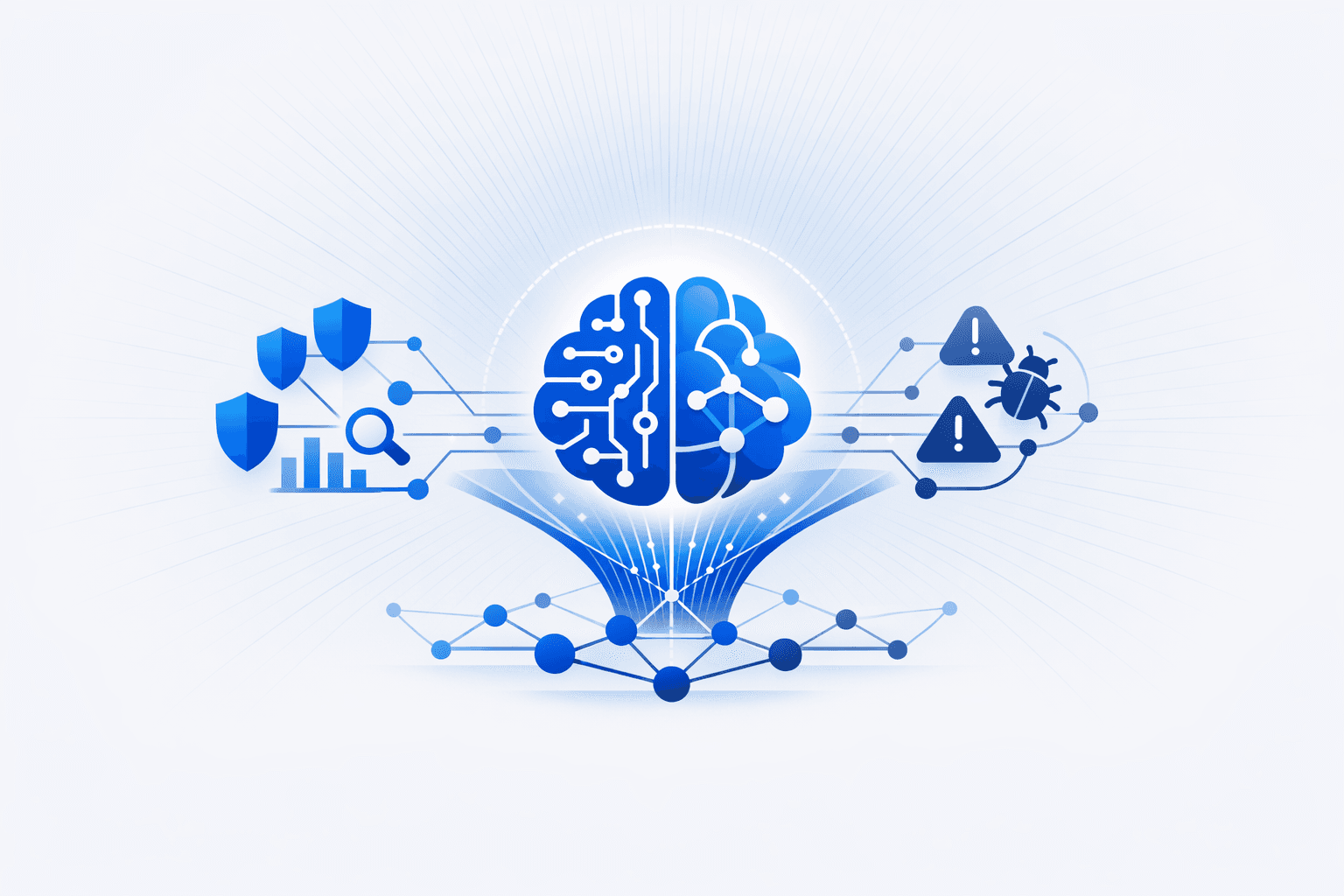
The rapid integration of artificial intelligence (AI) and large language models (LLMs) into cybersecurity operations and software development is fundamentally altering both the attack surface and defensive strategies. Security teams are leveraging AI to automate alert triage, summarize threat intelligence, and streamline incident response, while organizations like Microsoft are bundling AI-powered security assistants such as Security Copilot with enterprise products to democratize advanced threat detection and response. However, this shift introduces new risks, including prompt injection attacks, the challenge of validating AI-generated code, and the emergence of "vibe coding," where natural language prompts replace traditional software engineering rigor, potentially leading to insecure or unmaintainable code. Studies show that while LLMs can assist in patching known vulnerabilities, their effectiveness drops with unfamiliar or artificially altered code, highlighting limitations in current AI capabilities for secure software maintenance.
The evolving AI attack surface is characterized by probabilistic model behavior, making vulnerabilities less predictable and harder to patch compared to traditional software flaws. Security experts warn that the speed and scale enabled by AI can benefit both defenders and attackers, with concerns about AI-enabled autonomous attacks and the need for new security models to address reasoning manipulation rather than just input validation. As organizations increase cybersecurity budgets and invest in AI-driven solutions, the industry faces a dual imperative: harnessing AI's potential to improve defense while developing robust controls and validation processes to mitigate the novel risks it introduces.
Why it matters
Impact assessment
AI adoption in security operations, software development, and enterprise productivity platforms is expanding the attack surface across large enterprises, development teams, and organizations embedding LLMs into customer-facing apps, CI/CD, cloud management, and internal security workflows. The primary impact is increased risk of data leakage, insecure code generation, unsafe automated actions, and governance failures rather than a single discrete software flaw; exposure is broad because the story describes systemic adoption patterns, and real-world prompt injection incidents against Microsoft Bing Chat/Copilot indicate these risks are already practical.
Supporting details
- Affected populations:
- Enterprises using Microsoft Security Copilot, M365 E5, Defender, Entra, Intune, and Purview AI agents
- Security teams using AI for alert triage, log analysis, threat intelligence summarization, and automation
- Development teams using AI-assisted coding or "vibe coding"
- Organizations integrating LLMs into customer-facing applications, APIs, CI/CD, and cloud operations
- Severity drivers:
- Data exposure through retained prompts, chat/session logging, and model output leakage
- Operational disruption from hallucinated or unsafe AI-driven actions affecting authentication, network, or production systems
- Increased software security debt from insecure or unmaintainable AI-generated code
- Governance and reputational risk if AI agents expose internal instructions, mishandle sensitive data, or misuse connected tools
- Scope:
- Broad and cross-industry due to widespread enterprise AI integration
- Not tied to one vendor or one CVE; risk spans multiple model providers and deployment patterns
- Known in-the-wild relevance:
- Prompt injection attacks against Microsoft Bing Chat/Copilot exposed internal system instructions and guardrails
- Upwind reports observing similar AI manipulation attacks in production environments, including APIs and cloud services