Commercialization of Malicious LLMs for Cybercrime
Emerging Technology Risk · 2 sources · Updated 5mo ago · First seen Dec 8, 2025
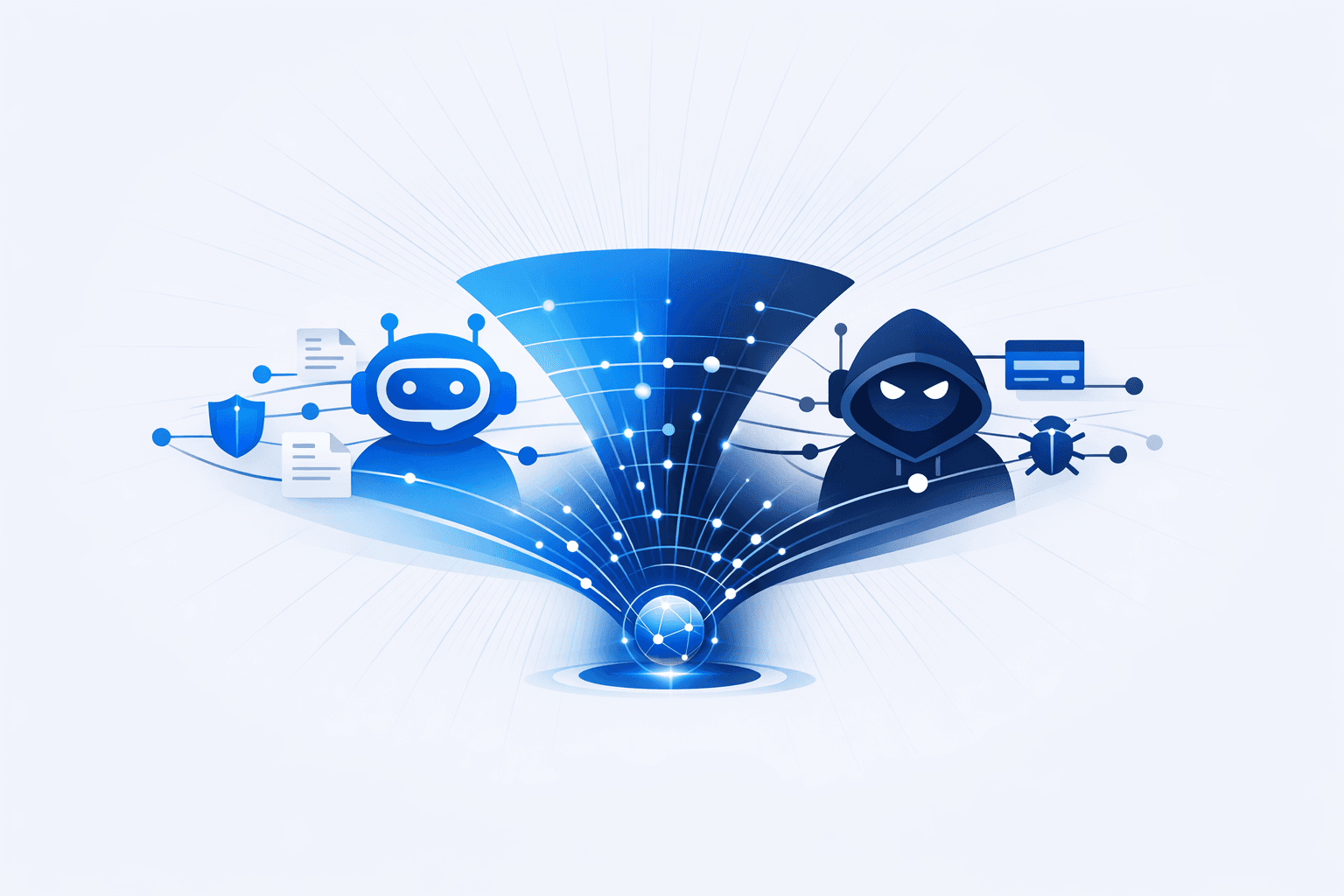
Malicious large language models (LLMs) such as WormGPT 4 and KawaiiGPT are now being actively marketed and distributed within cybercrime communities, with WormGPT 4 available for $50 per month on Telegram and KawaiiGPT offered as open source on GitHub. Security researchers from Palo Alto Networks' Unit 42 have analyzed these tools, highlighting their ability to generate functional ransomware code with AES-256 encryption, Tor-based data exfiltration, and scripts for SSH lateral movement, all within seconds. These LLMs are designed without ethical guardrails, enabling threat actors to automate and enhance the quality of attacks, including spear-phishing, payload generation, and real-time execution of malicious code.
The emergence of these offensive LLMs marks a shift from theoretical concerns to practical, commercialized tools that lower the barrier for cybercriminals. The models feature subscription tiers, active user communities, and the ability to generate sophisticated attack code on demand, demonstrating the growing integration of artificial intelligence into the cybercrime-as-a-service ecosystem. Security experts warn that the adoption of such AI-driven tools is likely to accelerate the speed and effectiveness of cyberattacks, posing new challenges for defenders.
Why it matters
Impact assessment
Malicious LLMs are becoming operational cybercrime tools that lower the skill and time required to produce phishing content, ransomware components, lateral movement scripts, and exfiltration code. The primary impact is broad exposure across enterprises that rely on user judgment, email security, endpoint controls, and SSH-accessible infrastructure, with increased risk of faster and more polished attacks rather than a single product-specific compromise.
The scope is potentially widespread because WormGPT 4 is sold commercially and KawaiiGPT is openly distributed, including via GitHub and Telegram communities. The reporting does not describe confirmed in-the-wild intrusions tied to these specific models, but it does show active criminal adoption and commercialization that will likely increase attack volume and quality.
Affected organizations and users
- Enterprises across all sectors are exposed, especially organizations with large email footprints, remote administration over SSH, and sensitive document repositories.
- Security teams defending against phishing, ransomware, and credential theft are most affected operationally.
- User populations vulnerable to social engineering are at elevated risk because these tools improve grammar, formatting, and realism of lures.
Severity and business risk
- Increased likelihood of credential theft through more convincing spear-phishing.
- Increased ransomware risk through rapid generation of encryptor logic, ransom notes, and optional exfiltration workflows.
- Increased operational disruption potential if generated scripts are adapted into real intrusions.
- Reputational and financial risk rises as attackers can scale campaigns with less effort and fewer obvious quality defects.
Scope and observed activity
- WormGPT 4 is marketed as a subscription service on Telegram and underground forums.
- KawaiiGPT is distributed as open source on GitHub and supported by a Telegram community.
- Reported user/community scale includes more than 500 registered users for KawaiiGPT and about 180 Telegram members.
- No specific victim organizations, breach counts, or attributed exploitation incidents were provided in the references.