US Utilities Warn of Grid Cybersecurity Risks Amid Federal Funding Shortfalls
Sector Threat Intelligence · 2 sources · Updated 5mo ago · First seen Dec 3, 2025
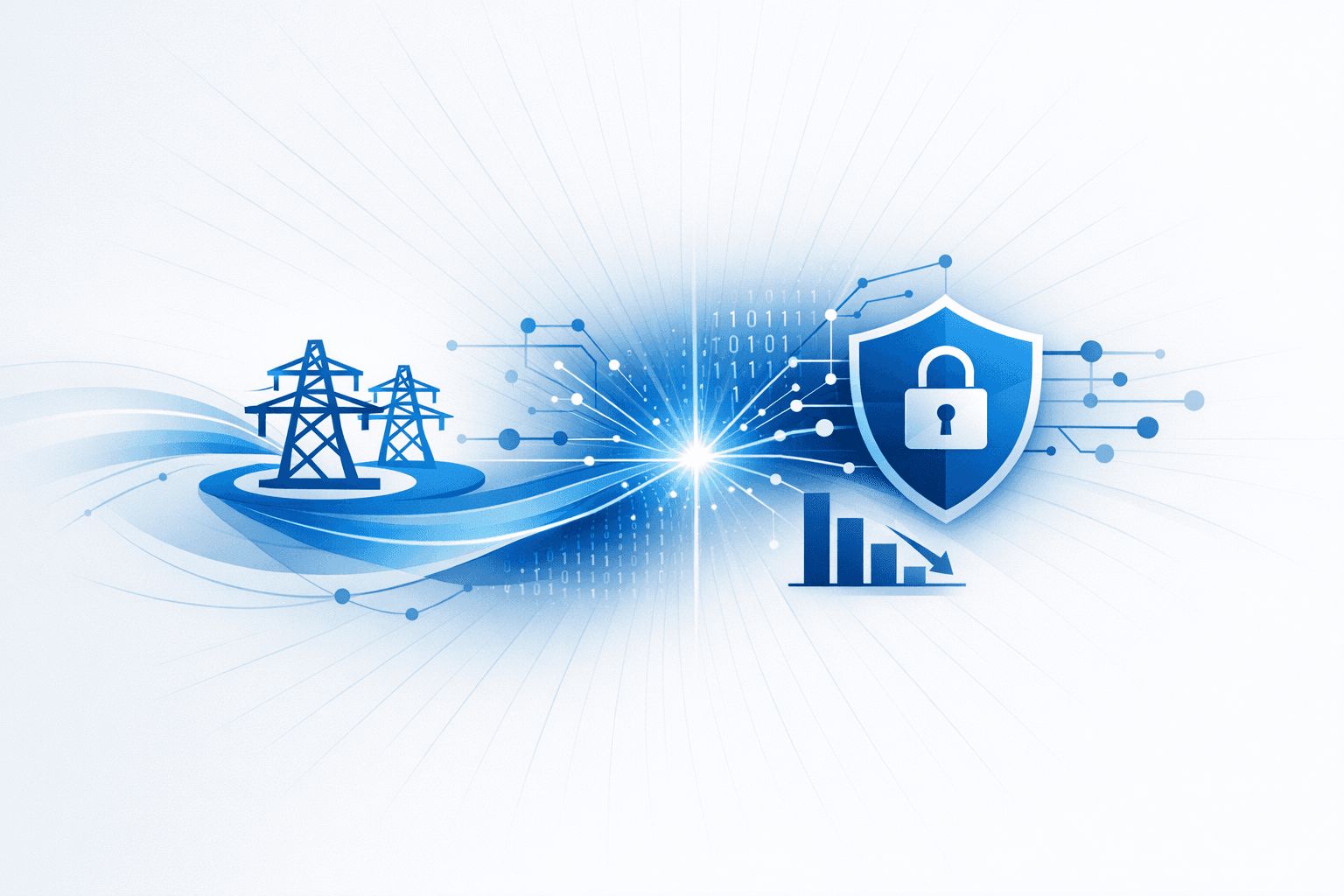
Utility executives and grid security analysts have warned Congress that U.S. federal funding for cybersecurity is not keeping pace with the increasing threat of nation-state cyber intrusions, particularly from Chinese actors. Leaders from investor-owned utilities, rural cooperatives, and national laboratories testified that Chinese hackers are already embedded within U.S. energy infrastructure, and that the next wave of attacks is likely to exploit persistent resource gaps, especially in rural systems and outdated operational technology. The testimony highlighted that modern cybersecurity defenses require significant upfront investment and ongoing funding, which many utilities—especially rural cooperatives—struggle to secure.
The warnings come as researchers and officials describe a threat environment shaped by nation-state adversaries conducting pre-positioning campaigns, embedding themselves in operational technology networks in preparation for potential destructive attacks. Despite Congressional authorization for Department of Energy grants aimed at bolstering rural and municipal utility cybersecurity, the release of these funds has been delayed, further undermining the sector's readiness to defend against sophisticated cyber threats targeting critical infrastructure.
Why it matters
Impact assessment
U.S. electric utilities are the affected population, with the highest exposure concentrated in rural electric cooperatives, municipal utilities, and operators running aging OT environments. The primary risk is operational disruption from nation-state intrusions that are described as pre-positioning for potentially destructive attacks, with downstream financial and public-safety consequences for critical infrastructure.
The scope is sector-wide rather than isolated to a single vendor or product because the testimony describes adversaries already embedded across U.S. energy infrastructure and leveraging trusted vendor relationships. There are claims of active intrusion and persistent access in the wild, but the story does not provide incident-specific victim names, outage details, or confirmed destructive events tied to this reporting.
Supporting facts
- Sector affected: U.S. energy infrastructure and power grid operators.
- Highest-risk groups: rural electric cooperatives, smaller municipal utilities, and organizations with limited cyber budgets.
- Environment at risk: aging operational technology networks and associated transmission resilience systems.
- Threat actors referenced: Chinese state-linked hackers; nation-state adversaries broadly.
- Claimed impact path: persistent access in OT networks could enable future disruptive or destructive attacks.
- Business consequences: grid outages, emergency response strain, recovery costs, regulatory scrutiny, and reputational damage.
- Exposure scope: broad, systemic critical-infrastructure risk rather than a narrow product flaw.
- Known activity in the wild: witnesses stated Chinese hackers are embedded across U.S. energy infrastructure and conducting pre-positioning campaigns.