Mallory
← Back to News
ai-enabled-threat-activitydefense-evasion-methodpersistence-methodloader-delivery-mechanism

Adversaries Leverage Gemini AI for Self-Modifying Malware and Data Processing Agents

Emerging Technology Risk · 8 sources · Updated 5mo ago · First seen Nov 5, 2025

Adversaries Leverage Gemini AI for Self-Modifying Malware and Data Processing Agents

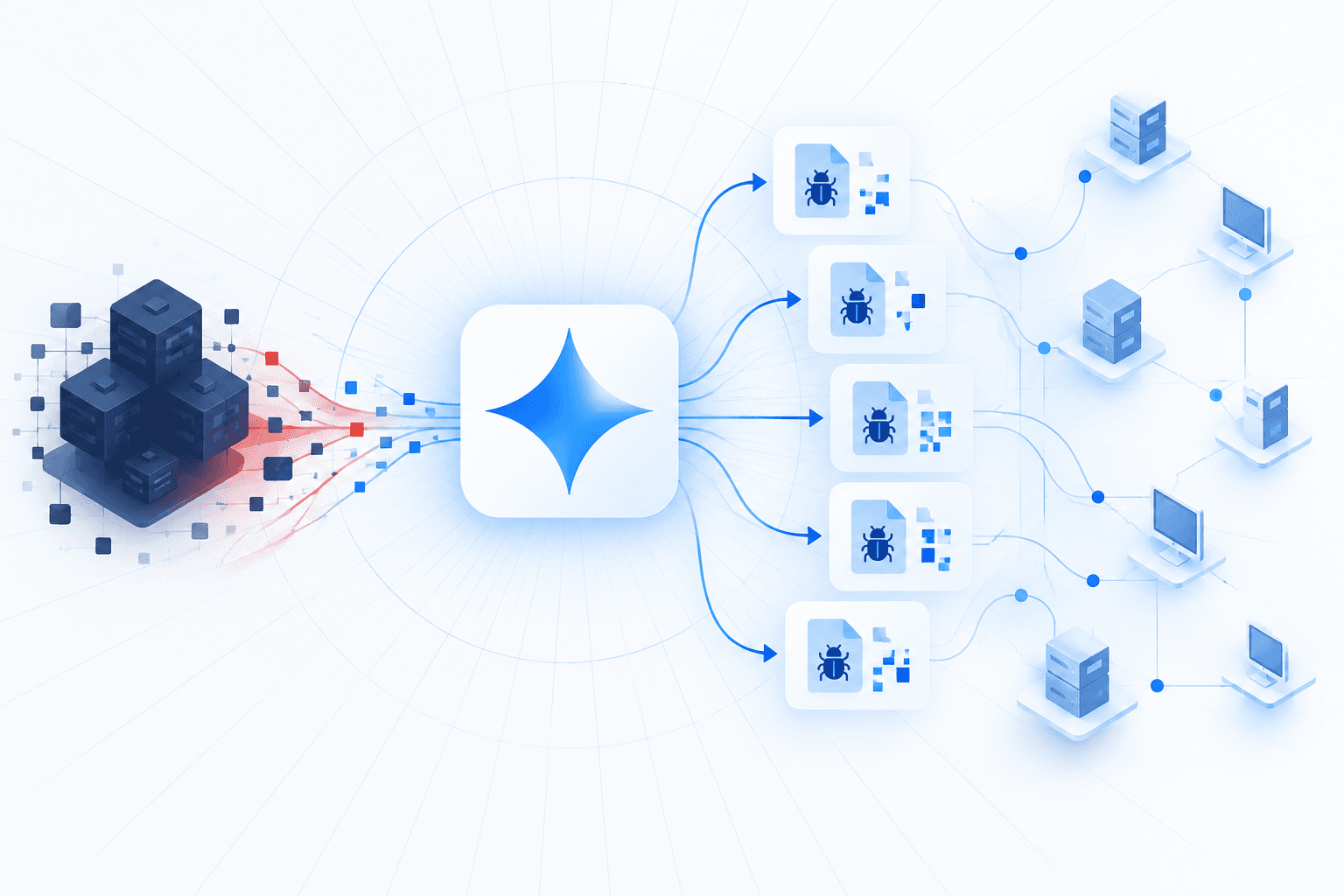
Google's Threat Intelligence Group (GTIG) has identified a significant evolution in cybercriminal and nation-state tactics, with adversaries now leveraging Gemini AI to develop advanced malware and data processing agents. Notably, groups such as APT42 have experimented with Gemini to create a 'Thinking Robot' malware module capable of rewriting its own code during execution to evade detection, as well as AI agents that process and analyze sensitive personal data for surveillance and intelligence gathering. These developments mark a shift from previous uses of AI for productivity, such as phishing and translation, to direct integration of AI into malware operations.

The experimental PromptFlux malware dropper exemplifies this trend, utilizing Gemini to dynamically generate obfuscated VBScript variants and periodically update its code to bypass antivirus defenses. PromptFlux attempts persistence via Startup folder entries and spreads through removable drives and network shares, while its 'Thinking Robot' module queries Gemini for new evasion techniques. Although PromptFlux is still in early development and not yet capable of causing significant harm, Google has proactively disabled its access to the Gemini API. Other AI-powered malware, such as FruitShell, have also been observed, indicating a broader move toward AI-driven, self-modifying threats in the wild.

Why it matters

Impact assessment

Google’s reporting indicates a meaningful shift from AI-assisted attacker productivity to AI embedded directly in malware execution. The immediate risk is highest for Windows environments, developer ecosystems, and organizations exposed to state-linked espionage or commodity malware delivery, but current evidence suggests the most advanced self-modifying samples remain early-stage rather than broadly destructive.

Affected populations and scope

  • Windows users and enterprises are directly exposed to PROMPTFLUX and PROMPTSTEAL activity.
  • Software developers and CI/CD environments are exposed through QUIETVAULT targeting GitHub and npm tokens.
  • Organizations in government, defense, NGOs, and Ukraine-related operations face elevated espionage risk from APT28-linked PROMPTSTEAL activity.
  • Cryptocurrency and financial-adjacent users face elevated social-engineering risk from North Korean AI-enabled lure activity.
  • Exposure is currently mixed: some malware families are experimental, while others have been observed in active operations.

Severity and business impact

  • Data theft risk is credible and immediate for PROMPTSTEAL and QUIETVAULT due to system/document harvesting and token theft.
  • Operational disruption risk is moderate today from PROMPTFLUX because Google assessed it as early-stage and not yet capable of causing significant harm on its own.
  • Defensive complexity increases materially because LLM-assisted malware can alter code mid-execution, reducing the reliability of static signatures and increasing analyst workload.
  • Reputational and financial impact is significant where stolen developer tokens, sensitive documents, or personal data enable follow-on compromise.

Known in-the-wild activity

  • GTIG reported malware variants in the wild using AI to generate, rewrite, and obfuscate malicious code in real time.
  • PROMPTSTEAL, also called LAMEHUG, was observed in active operations and linked in reporting to APT28 targeting Ukraine.
  • FRUITSHELL and QUIETVAULT were also described as observed in operations.
  • PROMPTFLUX and PROMPTLOCK were consistently described as experimental or proof-of-concept-stage rather than mature widespread threats.
New surface, new adversariesTrack how attackers are adapting to this technology.
Track this risk
Event timeline

How this story unfolded

Events from the most recent confirmed update back to the earliest known activity.

6 events · Nov 5, 2025
  1. Nov 5, 20251y ago

    Google warns of growing underground market for AI-powered cybercrime tools

    GTIG reported increasing interest on English- and Russian-language underground forums in AI-enabled tools and services for malware creation, phishing, reconnaissance, deepfakes, and exploitation support. Google assessed that these offerings are lowering the barrier to entry and will likely increase the scale and complexity of attacks.

  2. Nov 5, 20251y ago

    Google disrupts identified Gemini abuse and hardens safeguards

    Google said it disabled accounts associated with the observed abuse, blocked PromptFlux's Gemini API access, deleted related assets, and strengthened Gemini protections based on the bypass techniques it observed. Some reporting also said Google shared intelligence with law enforcement.

  3. Nov 5, 20251y ago

    Google links PromptSteal deployment to APT28 activity in Ukraine

    GTIG said the PromptSteal malware family, also referred to as LameHug in some reporting, was deployed by Russia-linked APT28 in Ukraine. The malware queried an LLM in real time to generate Windows system-harvesting commands for data collection.

  4. Nov 5, 20251y ago

    Google details PromptFlux self-modifying malware using Gemini API

    Google disclosed PROMPTFLUX, an experimental VBScript dropper that uses the Gemini API and a 'Thinking Robot' component to request obfuscation and evasion code and rewrite itself over time. GTIG assessed the malware as still under development/testing, with persistence and propagation features but no confirmed built-in initial compromise mechanism.

  5. Nov 5, 20251y ago

    Google identifies AI-enabled malware families used in experiments and live operations

    GTIG reported multiple malware families embedding or querying LLMs during execution, including PromptFlux, PromptSteal/LameHug, FruitShell, QuietVault, and PromptLock. Google described this as a shift from proof-of-concept use of AI to malware that can dynamically generate commands, obfuscate code, steal data, or support reverse shells in real-world activity.

  6. Nov 5, 20251y ago

    Google observes threat actors abusing Gemini across cyber operations

    Google Threat Intelligence Group documented that state-linked and criminal actors from countries including China, Iran, North Korea, and Russia were using Gemini and other LLMs for phishing, reconnaissance, vulnerability research, malware development, obfuscation, and data analysis. The activity also included attempts to bypass model safeguards through social-engineering pretexts such as posing as students or CTF participants.

Linked entities

Related entities

Vulnerabilities, threat actors, malware, products, organizations, and breaches Mallory has linked to this story.

Open in app →

Threat actors

1 linked

Malware

1 linked
Do you run this?Follow how adversaries are adapting to this technology, and where it touches your stack today.
Track This Risk
Mallory platform

See the full picture, correlated to your attack surface.

This page covers what’s public. Mallory adds the parts that aren’t: which of your assets are affected, which threat actors are using it right now, and what to deploy next.

Exposure mappingMap indicators from this story to your assets and identify affected systems in minutes.
Threat actor evidenceEvery observed campaign, victim, and pivot linked to actors named in this story.
Associated malwareMalware, exploits, and IOCs connected to the activity described here.
Detection signaturesYARA, Sigma, and Snort rules deployed to your SIEM as soon as they’re published.
Scheduled alertsGet matching new stories delivered to your team as they break, not the next morning.
AI threadsAsk questions about this story and take action on the answers.