Mallory
← Back to News
package-repository-poisoningbuild-pipeline-compromisecredential-stealer-activityleaked-secret-api-key

Shai-Hulud Infostealer Supply Chain Attack on npm Ecosystem

Supply Chain Risk · 2 sources · Updated 5mo ago · First seen Nov 5, 2025
Shai-Hulud Infostealer Supply Chain Attack on npm Ecosystem

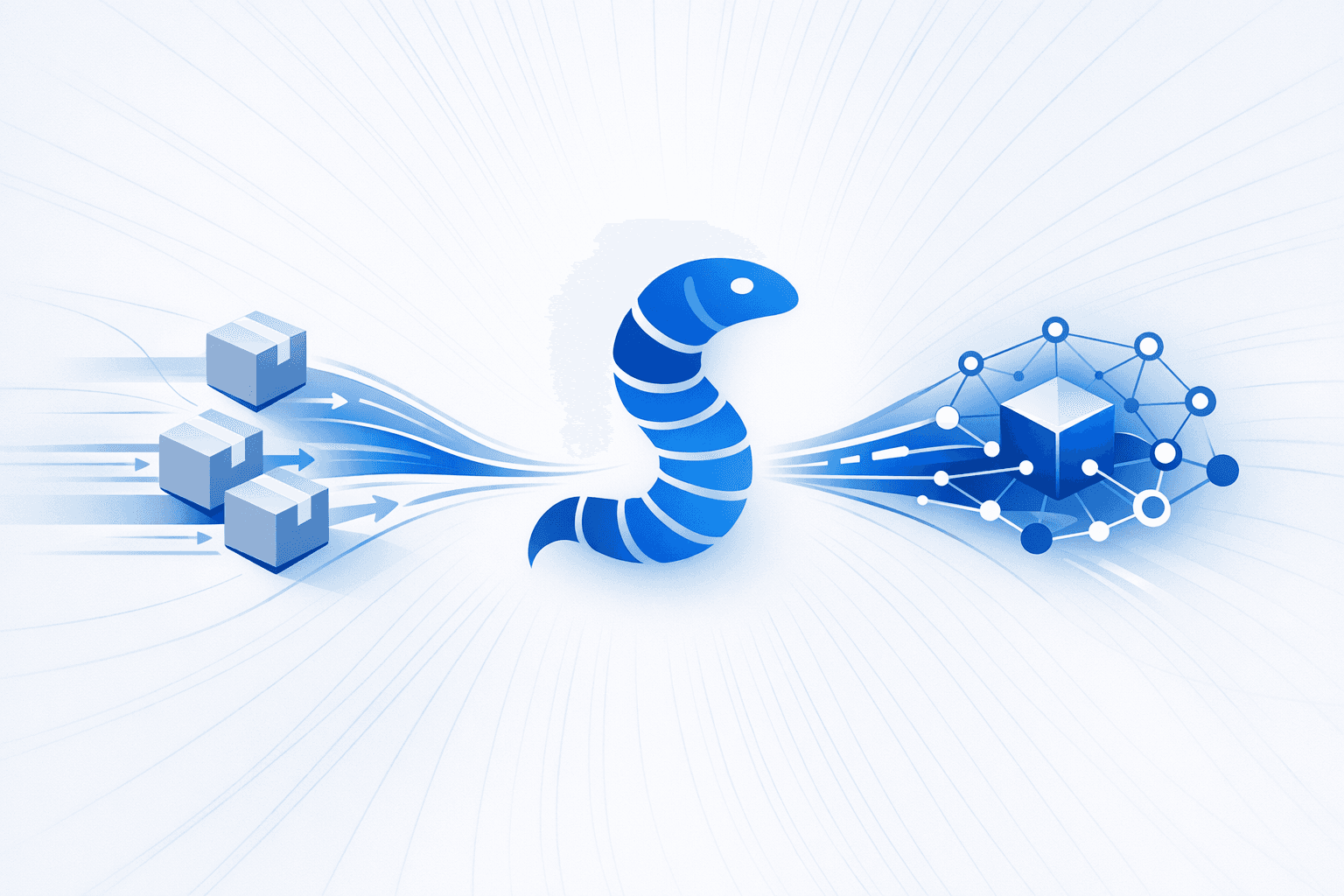
A major supply chain attack targeted the npm ecosystem in September 2025, where an infostealer with worm-like characteristics, dubbed Shai-Hulud, compromised over 500 npm packages. The attack leveraged a previous compromise of the s1ngularity/nx project, exploiting CI/CD pipeline credentials and propagating through both direct and indirect dependencies. Security researchers confirmed that attackers exfiltrated GitHub and npm tokens, enabling them to inject malicious code into widely used packages and potentially access internal networks, move laterally, or tamper with software releases.

The incident highlighted the persistent risks associated with CI/CD pipeline security, as attackers exploited overlooked access to secrets such as API keys and deployment tokens. The scale of the attack forced engineering and security teams worldwide to spend significant resources cleaning compromised environments and assessing exposure, even though the direct financial impact was limited. The event underscored the need for enhanced runtime security monitoring, such as eBPF-based sensors, and stricter controls on package publishing and consumption to defend against similar threats in the future.

Why it matters

Impact assessment

Shai-Hulud was a high-impact software supply-chain incident affecting organizations that consume npm packages, maintain JavaScript/Node.js applications, or operate CI/CD pipelines tied to GitHub and npm publishing. The primary risk was not just malicious package installation, but downstream credential theft, unauthorized package publication, internal network access, lateral movement, and software release tampering.

The scope was broad rather than narrowly targeted: researchers reported compromise of more than 500 npm packages after initial propagation from the previously compromised s1ngularity/nx project and other maintainer-linked assets. Public reporting describes significant operational disruption across engineering, IT, and security teams due to emergency package review, IOC scanning, token rotation, and environment cleanup; direct attacker profit appears limited, but enterprise response costs and trust impact were substantial.

Supporting facts

  • A September 2025 supply-chain attack targeted the npm ecosystem with an infostealer dubbed Shai-Hulud.
  • Researchers reported compromise of 40+ legitimate packages initially, including packages from CrowdStrike’s npm account.
  • StepSecurity reporting cited in the story states the campaign spread to 187 packages within one to two days and eventually exceeded 500 packages.
  • The attack exfiltrated GitHub and npm tokens, creating risk of further package hijacking and unauthorized code publication.
  • The incident forced widespread exposure assessment and remediation even for organizations that could not immediately confirm direct compromise.
  • The story states attackers could potentially access internal networks, move laterally, and tamper with software releases after stealing CI/CD and publishing credentials.
  • Related ecosystem incidents in the same period included hijacks of Chalk, Debug, and DuckDB-related npm packages, increasing overall exposure and response burden.
  • Known exploitation in the wild is established by the observed package compromises and propagation across the npm ecosystem.

Does this reach your builds?Trace attribution and downstream blast radius.
Trace the chain
Event timeline

How this story unfolded

Events from the most recent confirmed update back to the earliest known activity.

9 events · Nov 4, 2023 – Nov 5, 2025
  1. Nov 5, 20251y ago

    Datadog publishes runtime-focused supply-chain detection guidance

    Datadog Security Labs publishes analysis advocating runtime security as an approach to detecting software supply-chain attacks, adding defensive guidance to the evolving threat landscape.

  2. Nov 4, 20251y ago

    Researchers highlight malicious IDE extensions as a supply-chain risk

    The threat model is expanded to include malicious extensions distributed through developer marketplaces such as Microsoft VS Code Marketplace and Open VSX, emphasizing that supply-chain compromise can occur through tooling as well as packages.

  3. Nov 4, 20251y ago

    Malware incorporates LLM-prompt-driven info-stealing behavior

    Researchers note the emergence of malware embedding LLM-prompt-based logic to drive information-stealing behavior, reflecting AI-assisted evolution in supply-chain and developer-targeted attacks.

  4. Nov 4, 20251y ago

    Attackers use QR-code steganography to hide malicious instructions

    The reporting identifies a technique in which QR-code images are used to conceal instructions or payload-delivery logic, helping malicious content evade straightforward inspection in software supply-chain contexts.

  5. Nov 4, 20251y ago

    Shai-Hulud demonstrates worm-like package self-propagation

    The Shai-Hulud activity is highlighted as an example of worm-like behavior in the software supply chain, where malicious changes can spread across many packages rather than remaining isolated to a single dependency.

  6. Nov 4, 20251y ago

    Automated pull-request attacks against GitHub Actions are observed

    Researchers describe newer supply-chain techniques that use automated pull requests to abuse GitHub Actions workflows, showing how attackers can scale malicious code introduction through developer collaboration processes.

  7. Nov 4, 20251y ago

    Lazarus Group targets npm and PyPI for espionage activity

    The reporting cites nation-state activity by the Lazarus Group using open-source package registries including npm and PyPI as part of espionage-oriented operations, expanding the supply-chain threat model beyond financially motivated abuse.

  8. Sep 1, 20251y ago

    Chalk and Debug libraries are hijacked

    In September 2025, the Chalk and Debug libraries were hijacked in a prominent open-source supply-chain incident, illustrating how attacks on widely used packages can trigger broad downstream disruption and incident-response work across many organizations.

  9. Nov 4, 20233y ago

    Supply-chain attacks shift toward targeting maintainers and developers

    Over roughly the two years preceding late 2025, software supply-chain attacks increasingly moved away from infrastructure-centric compromises such as CI/CD or update-channel tampering and toward phishing, credential theft, and other human-targeted attacks against open-source maintainers.

Linked entities

Related entities

Vulnerabilities, threat actors, malware, products, organizations, and breaches Mallory has linked to this story.

Open in app →

Organizations

1 linked
CrowdStrike
Do you run this?See attribution and downstream blast radius, and whether this package or vendor reaches your builds.
Trace the Supply Chain
Mallory platform

See the full picture, correlated to your attack surface.

This page covers what’s public. Mallory adds the parts that aren’t: which of your assets are affected, which threat actors are using it right now, and what to deploy next.

Exposure mappingMap indicators from this story to your assets and identify affected systems in minutes.
Threat actor evidenceEvery observed campaign, victim, and pivot linked to actors named in this story.
Associated malwareMalware, exploits, and IOCs connected to the activity described here.
Detection signaturesYARA, Sigma, and Snort rules deployed to your SIEM as soon as they’re published.
Scheduled alertsGet matching new stories delivered to your team as they break, not the next morning.
AI threadsAsk questions about this story and take action on the answers.