Mallory
← Back to News
ransomware-group-operationgovernment-diplomatic-threatthird-party-vendor-breachai-enabled-threat-activity

Public Sector Cybersecurity Threats and Ransomware Trends

Threat Actor Intelligence · 2 sources · Updated 5mo ago · First seen Oct 29, 2025
Public Sector Cybersecurity Threats and Ransomware Trends

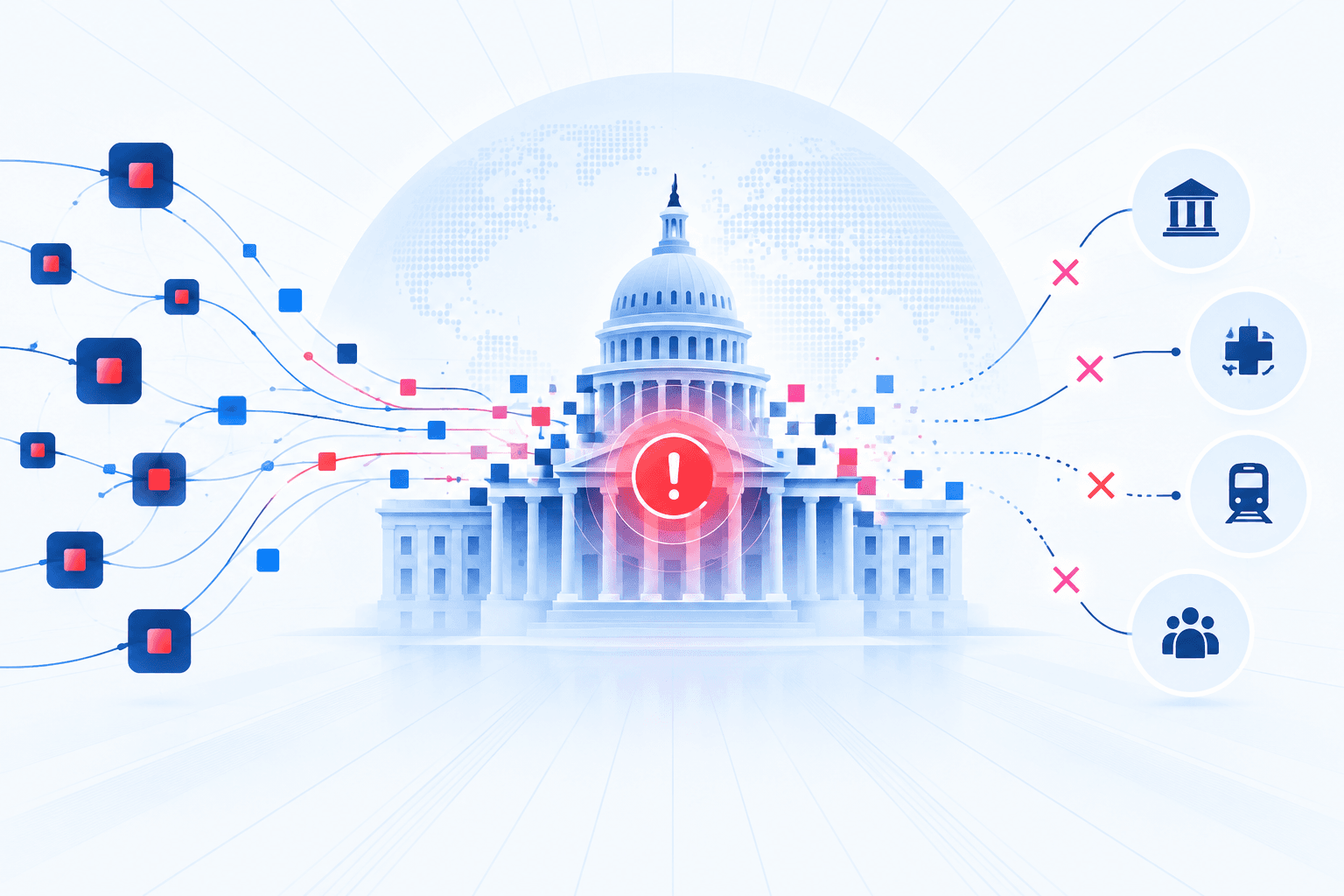
Government organizations worldwide are facing escalating cyber threats, with ransomware and extortion attacks sharply increasing in frequency and sophistication. Over 117 US federal and state entities were impacted in 2024, and attackers are increasingly targeting third-party providers and leveraging new tactics such as data extortion without encryption. The MOVEit and GoAnywhere supply chain breaches have had lasting repercussions, exposing sensitive data from government-linked organizations. Attackers are also employing advanced techniques, including the use of AI for phishing and deepfakes for social engineering, further complicating defense efforts. International coalitions, such as the Counter Ransomware Initiative (CRI), are urging stronger supply-chain cyber defenses and coordinated global action, highlighting the immediate and urgent threat ransomware poses to national security and economic stability.

Despite some progress in reducing ransomware payments, attacks continue to disrupt major companies and public sector entities worldwide. The CRI, now comprising 61 countries and six international organizations, has released new guidance emphasizing the need for improved cyber hygiene and legislative action to address supply-chain vulnerabilities. Critics warn that legislative gaps persist, leaving critical systems exposed, while the ongoing digital transformation and prevalence of legacy systems in the public sector further increase risk. The convergence of these factors underscores the urgent need for comprehensive cybersecurity strategies and international cooperation to bolster resilience against evolving threats.

Why it matters

Impact assessment

Government agencies, public administrations, and organizations that support government services are the primary affected population, with downstream exposure extending to contractors, infrastructure providers, and citizens whose PII is held by those entities. Impact is high because the activity described spans ransomware, extortion, supply-chain compromise, phishing, BEC, and credential theft, creating risk of data loss, service disruption, fraud, espionage, and reputational damage.

The scope is broad rather than isolated. Trustwave states more than 117 US federal and state government entities were affected by ransomware in 2024, and the reporting describes continued 2025 activity involving multiple US federal agencies, third-party providers, and international public-sector impersonation campaigns. Exploitation in the wild is explicitly described for phishing campaigns, Balada Injector web compromise, and rapid exploitation of new zero-days by state-linked groups.

Supporting facts

  • Affected sectors: public sector, federal/state/local government, government-linked organizations, civil engineering and infrastructure-adjacent entities, transport and tolling authorities.
  • Data at risk: names, addresses, Social Security numbers, tax records, health data, internal communications, and policy documents.
  • Operational impact: ransomware and DDoS are used to disrupt public services and create pressure and fear.
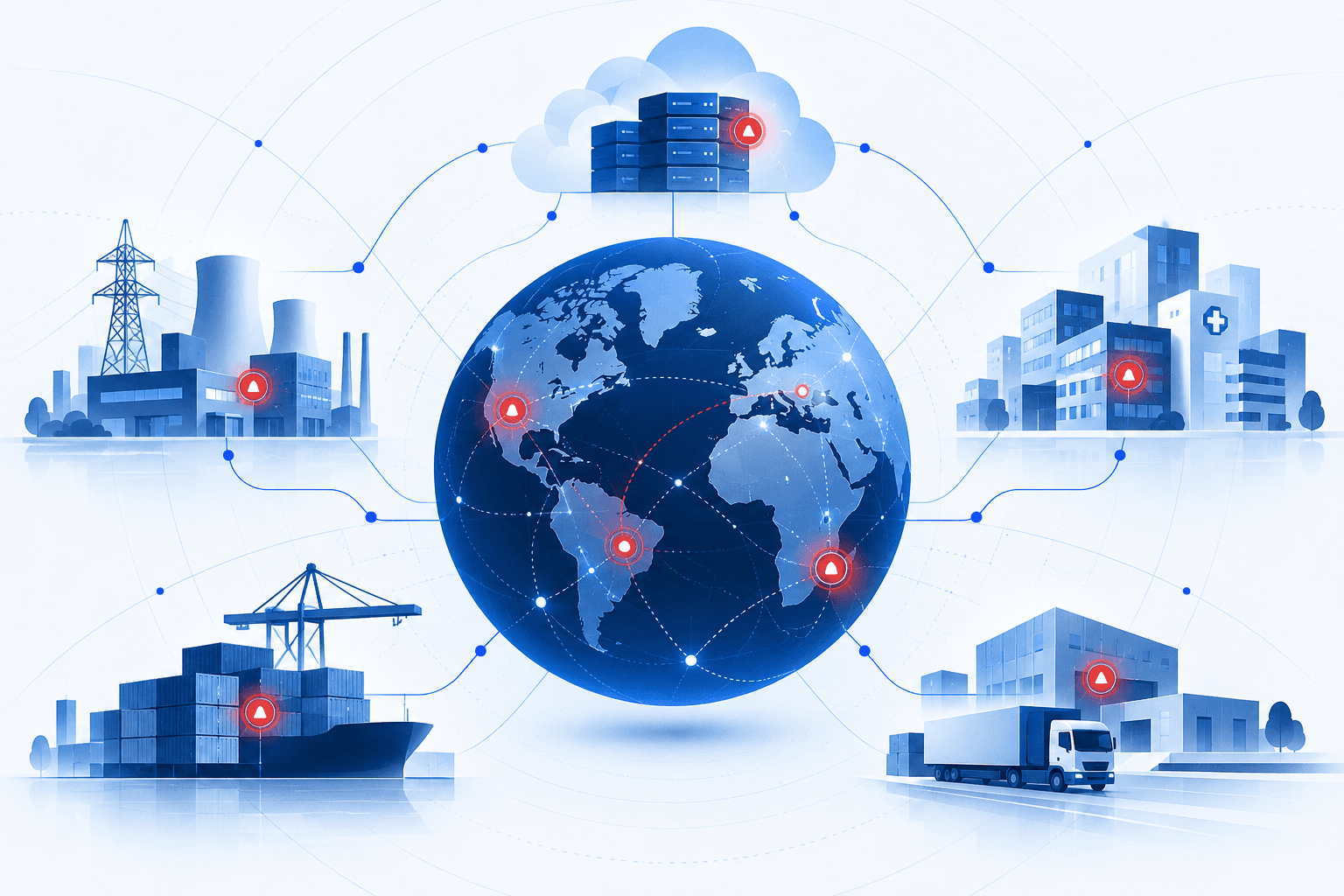
  • Supply-chain exposure: MOVEit and GoAnywhere breaches are cited as having long-lasting downstream impacts on government-linked organizations.
  • Threat actors: state-sponsored activity linked to China, Russia, and North Korea remained active according to the report.
  • Trend shift: extortion without encryption increases the likelihood of data exposure even where recovery controls reduce ransomware impact.
  • Social-engineering risk: AI-assisted phishing and deepfake/voice impersonation increase the probability of successful credential theft and fraud against public-sector staff.
  • Known incidents in the wild:
    • 2025 SharePoint exploitation campaign impacting multiple US federal agencies.
    • November 2024 Balada Injector compromise of a local government council website.
    • May 2025 TxTag-themed phishing sent from compromised Indiana government accounts via GovDelivery.
    • Ongoing SSA, transport-authority, and procurement-themed phishing campaigns.
Know this adversaryTTPs, infrastructure, and targeting history in one profile.
Get the profile
Event timeline

How this story unfolded

Events from the most recent confirmed update back to the earliest known activity.

6 events · Oct 27, 2025 – Oct 29, 2025
  1. Oct 29, 20251y ago

    Trustwave reports 1H 2025 rise in ransomware, extortion, and AI-enabled attacks

    In its public-sector resilience report, Trustwave SpiderLabs said first-half 2025 threat activity showed continued growth in ransomware and extortion, including third-party targeting and data-only extortion. The report also noted increasing attacker use of AI for phishing, evasion, and deepfake-enabled social engineering.

  2. Oct 29, 20251y ago

    SharePoint exploitation campaign impacts multiple US federal agencies

    Trustwave SpiderLabs reported that a Microsoft SharePoint exploitation campaign affected multiple U.S. federal agencies. The campaign was cited as a concrete example of how quickly zero-day exploitation can translate into public-sector operational impact.

  3. Oct 29, 20251y ago

    State-linked actors rapidly exploit 2025 SharePoint and Citrix Bleed flaws

    According to Trustwave SpiderLabs, state-linked groups quickly weaponized newly disclosed 2025 zero-days, including Microsoft SharePoint and Citrix Bleed vulnerabilities. The report says this rapid exploitation reflects a broader trend of shrinking defender response time.

  4. Oct 29, 20251y ago

    Balada Injector compromises sites via Popup Builder XSS flaw

    Trustwave SpiderLabs highlighted a case in which the Balada Injector campaign compromised websites by exploiting an XSS vulnerability in the WordPress Popup Builder plugin. The case was presented as part of broader public-sector threat trends and web-based compromise activity.

  5. Oct 27, 20251y ago

    CRI calls for stronger supply-chain cyber defenses

    The Cyber Risk Institute urged organizations to strengthen supply-chain cybersecurity defenses, reflecting concern over third-party and interconnected-service risk. The call aligns with broader industry focus on resilience against cascading impacts from supplier compromises.

  6. Oct 27, 20251y ago

    MOVEit and GoAnywhere supply-chain incidents cause downstream public-sector impact

    Supply-chain compromises involving MOVEit and GoAnywhere were cited as having long-lasting downstream effects on public-sector organizations and their interconnected service providers. The references describe these incidents as key examples shaping later calls for stronger supply-chain cyber defenses.

Linked entities

Related entities

Vulnerabilities, threat actors, malware, products, organizations, breaches, and observables Mallory has linked to this story. Indicator values are masked here and available in full in the app.

Open in app →

Affected products

1 linked
Moveit

Organizations

7 linked
Argentinian PoliceDubai MunicipalityRomanian GovernmentUS Federal and State Government EntitiesIndiana Department of Local Government Finance (DLGF)TxTagSwitzerland's Public Administration

Breaches

2 linked
TXTAG-2025-05INDIANADEPARTMENTOFLOCALGOVERNMENTFINANCE-2025-05

Observables

8 linked

Indicator values are masked on this page. See the values in Mallory Domains, IPs, hashes, and URLs are exportable to your SIEM.

Do you run this?See this adversary's TTPs, infrastructure, and targeting history, correlated against your exposure.
Get the Full Actor Profile
Mallory platform

See the full picture, correlated to your attack surface.

This page covers what’s public. Mallory adds the parts that aren’t: which of your assets are affected, which threat actors are using it right now, and what to deploy next.

Exposure mappingMap indicators from this story to your assets and identify affected systems in minutes.
Threat actor evidenceEvery observed campaign, victim, and pivot linked to actors named in this story.
Associated malwareMalware, exploits, and IOCs connected to the activity described here.
Detection signaturesYARA, Sigma, and Snort rules deployed to your SIEM as soon as they’re published.
Scheduled alertsGet matching new stories delivered to your team as they break, not the next morning.
AI threadsAsk questions about this story and take action on the answers.