Ransomware Payment Rates Reach Historic Lows Amid Evolving Extortion Tactics
Threat Actor Intelligence · 8 sources · Updated 5mo ago · First seen Oct 27, 2025
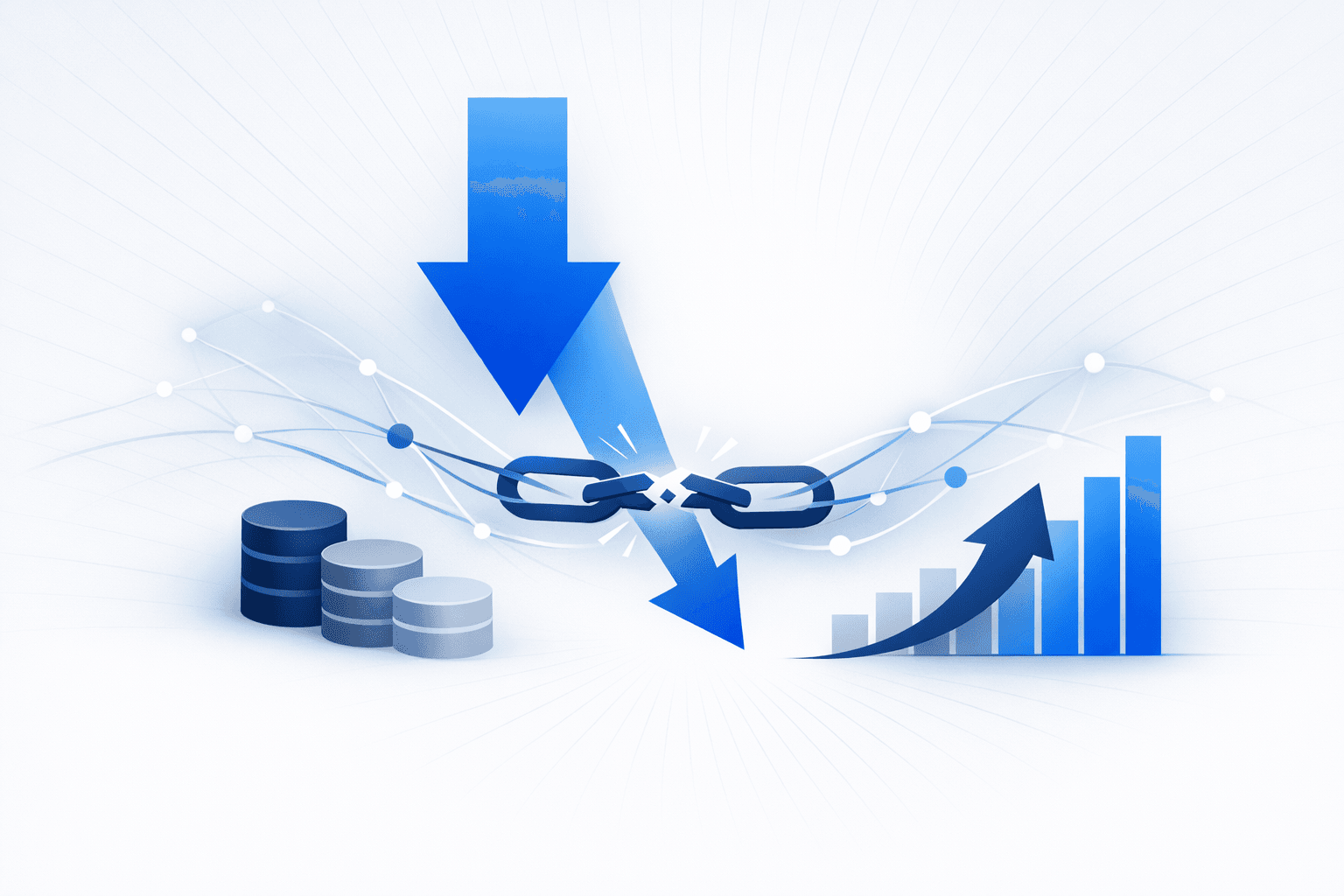
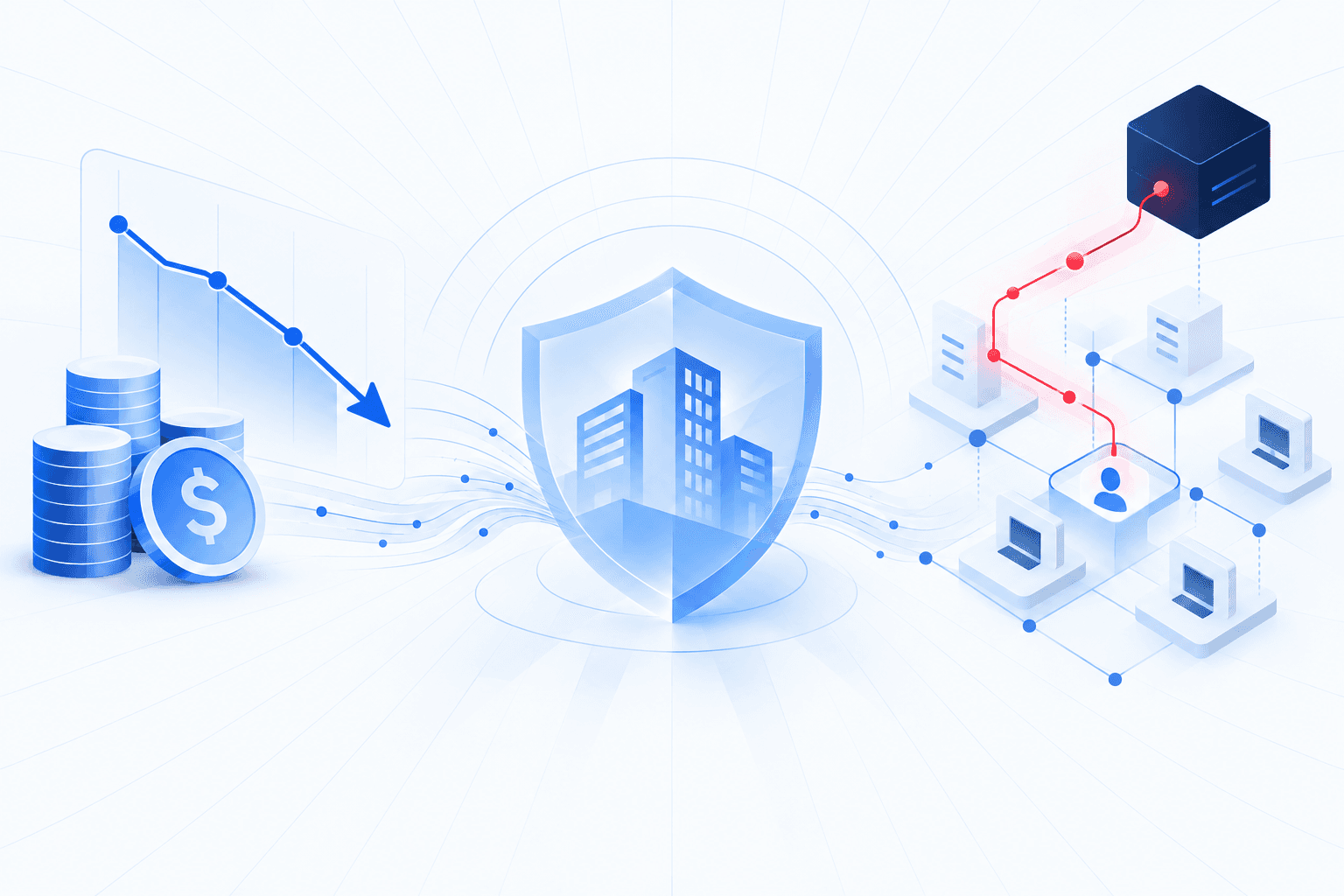
Ransomware groups are experiencing a significant decline in payment rates, with only 23% of victims paying ransoms in Q3 2025, according to Coveware. This trend is attributed to organizations implementing stronger defenses, increased law enforcement pressure, and a growing understanding that paying to suppress stolen data offers little benefit. The average and median ransom payments have also dropped, with figures reaching $377,000 and $140,000, respectively. Ransomware-as-a-Service groups like Akira and Qilin are adapting by targeting different market segments, but even high-profile data exfiltration campaigns have yielded limited returns for attackers.
As payments decrease, ransomware actors are shifting their tactics, focusing more on data exfiltration—now the primary objective in over 76% of observed attacks—and exploring new methods of initial access. Notably, there has been a rise in insider threats, with attackers bribing employees for credentials or remote access, and an evolution in helpdesk social engineering techniques. These changes reflect a more targeted and inventive approach by threat actors as they seek to overcome improved organizational defenses and maximize their chances of financial gain.
Why it matters
Impact assessment
Ransomware and extortion operations remain a high-impact enterprise risk, but attacker monetization is falling as fewer victims pay. The operational and business impact is still severe because actors are shifting toward data theft, insider recruitment, helpdesk social engineering, and direct executive extortion rather than relying only on encryption.
Summary
Organizations with exposed remote access, complex identity environments, helpdesk-driven account recovery, and large employee populations are most affected. The scope is broad and increasingly unpredictable: midsize firms are being targeted by groups such as Akira and Qilin, while large enterprises face insider bribery and direct extortion, with data exfiltration now the primary objective in most incidents.
Supporting details
- Coveware reported only 23% of ransomware victims paid in Q3 2025.
- Data-theft-only incidents had a 19% payment rate in Q3 2025.
- Average ransom payment fell to $376,941-$377,000; median payment fell to $140,000.
- Data exfiltration was the primary objective in more than 76% of observed attacks.
- Large enterprises remain exposed to reputational damage, regulatory scrutiny, and customer fallout even when they refuse payment.
- Mid-market organizations are being actively targeted by RaaS groups including Akira and Qilin.
- Industries specifically cited include insurance and law firms targeted by Silent Ransom.
- Oracle E-Business Suite users were specifically targeted by Clop extortion emails.
- Geographic targeting is broadening, with nontraditional regions such as Thailand cited as newly affected.
- There are known incidents and active campaigns in the wild involving insider recruitment, callback phishing, helpdesk social engineering, and executive-targeted extortion emails.
- The ransomware ecosystem is fragmenting, with 81 unique data-leak sites active in Q3 2025, increasing unpredictability and widening exposure.