AI's Dual Role in Shaping Modern Cybersecurity Threats and Defenses
Emerging Technology Risk · 4 sources · Updated 5mo ago · First seen Oct 25, 2025
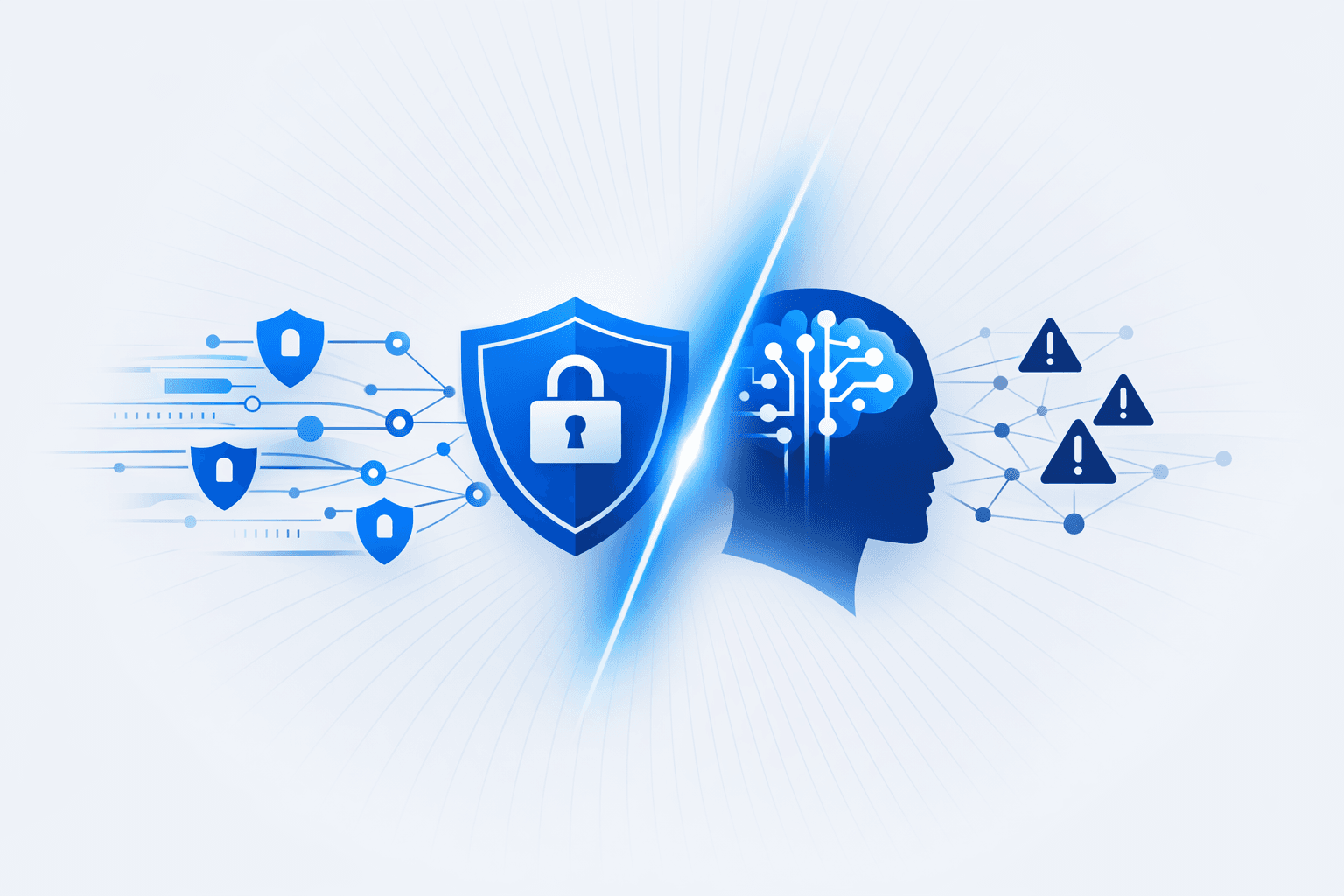
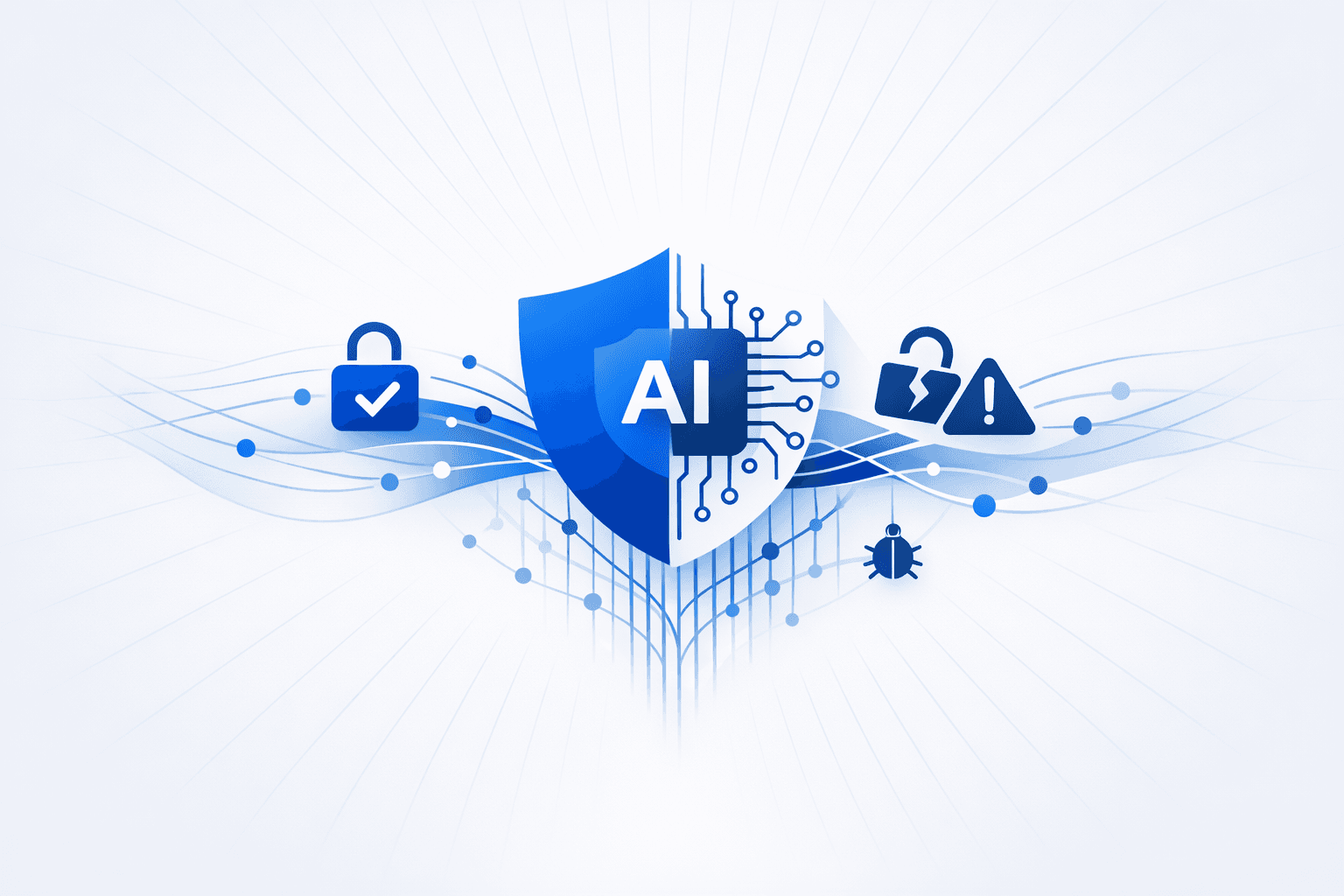
The rapid advancement and democratization of artificial intelligence have fundamentally altered the cybersecurity landscape, enabling both defenders and attackers to operate with unprecedented speed and sophistication. Security researchers have demonstrated that large language models can generate fully functional ransomware in under 30 seconds, drastically lowering the barrier for threat actors to create and iterate on malicious code. While some AI models still fail to produce working exploits, a significant portion succeed, raising concerns about the ease with which attackers can leverage these tools. At the same time, organizations are increasingly relying on AI for threat detection, analytics, and intrusion analysis, with many security leaders viewing AI as a necessary force multiplier to address skill shortages and burnout within their teams.
Despite the promise of AI-driven defense, the technology introduces new risks, as evidenced by reports of cyber incidents linked to AI tools and concerns that automation may erode human decision-making. Industry surveys reveal that a majority of cybersecurity executives feel overwhelmed by threats without AI, yet remain wary of overreliance. Looking ahead, AI-powered defense systems are expected to become even more autonomous and adaptive, reducing incident response times and reshaping the strategic priorities of enterprises and governments alike. The evolving interplay between AI-enabled attacks and defenses underscores the urgent need for scalable prevention strategies and a renewed focus on digital trust in an increasingly automated world.
Why it matters
Impact assessment
AI is increasing both attacker capability and defender capacity, but this story does not describe a specific new vulnerability, malware family, or active campaign. The primary impact is strategic and cross-sector: organizations that rely on digital services, especially enterprises with lean security teams, face higher risk from faster malware development, more scalable phishing and intrusion activity, and increased pressure to automate detection and response.
Severity and scope
- Affected populations: enterprises, government organizations, managed security teams, and industries with high digital exposure.
- Severity: potentially high over time due to faster adversary tooling, reduced attacker skill barriers, and possible operational disruption from AI-assisted malware or social engineering.
- Scope: broad and systemic rather than targeted; the story frames an industry-wide shift in attacker and defender tradecraft.
- Known exploitation in the wild: the content references reports of incidents linked to AI tools, but does not provide attributable case details, victimology, or confirmed campaign evidence.
Business implications
- Security operations centers may face increased alert volume and faster attack iteration cycles.
- Organizations that over-automate without governance risk degraded analyst judgment and poor response decisions.
- Firms not adopting scalable prevention, detection engineering, and AI governance may fall behind adversaries using commodity AI tooling.