Mercenary Spyware Campaigns Targeting Security Researchers and Developers
Active Exploitation · 2 sources · Updated 5mo ago · First seen Oct 23, 2025

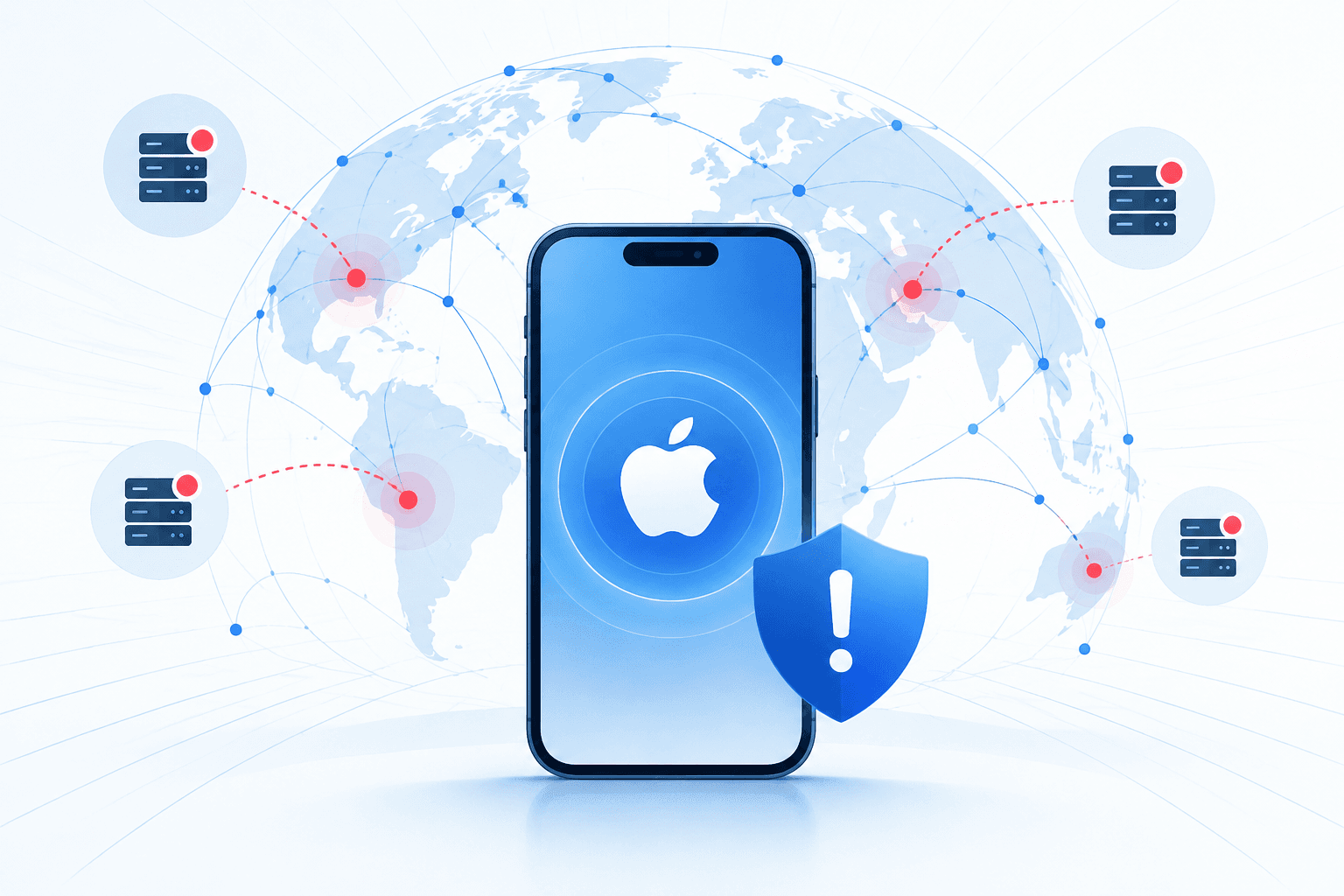
Multiple reports indicate that mercenary spyware operations have begun targeting not only traditional victims such as journalists and activists, but also the developers and security researchers who build and analyze surveillance tools. Apple issued high-confidence threat notifications to iOS exploit developers, warning them of government spyware targeting their devices. This marks a notable escalation in the mercenary spyware ecosystem, as attackers are now focusing on individuals with deep technical knowledge and access to sensitive information about exploit development.
The commercial spyware market continues to thrive, with unpatched vulnerabilities fueling rapid innovation and deployment of new attack techniques. Security researchers have documented a record number of zero-day vulnerabilities exploited in the wild, many linked to commercial surveillance vendors. The targeting of exploit developers suggests a coordinated campaign within the cybersecurity community, highlighting the growing risks faced by those at the forefront of digital defense and offensive tool creation.
Why it matters
Impact assessment
Mercenary spyware operators are expanding targeting beyond journalists, activists, and political dissidents to include iOS exploit developers and security researchers. This raises risk for security vendors, independent researchers, exploit developers, and organizations employing high-profile technical staff because compromise of these users can expose sensitive research, unpublished vulnerabilities, tooling, and investigative data.
The impact is potentially severe even when the campaign is narrowly targeted. Successful compromise can enable covert surveillance, theft of exploit chains and research material, operational disruption of security investigations, and reputational damage for affected organizations; the reporting indicates suspected government spyware activity and Apple issued high-confidence threat notifications, which supports a credible risk of real-world exploitation.
Supporting facts
- Target populations named in reporting:
- Security researchers
- Developers who build or analyze surveillance tools
- iOS exploit developers
- Traditional spyware targets including journalists and activists
- Affected user base appears targeted rather than indiscriminate, but high value:
- Individuals with deep technical knowledge
- Users likely to possess exploit code, vulnerability research, or surveillance-analysis data
- Severity drivers:
- Device-level spyware can provide persistent access to communications, files, microphone/camera data, and location depending on implant capability
- Compromise of researchers can create secondary risk to employers, clients, sources, and ongoing investigations
- Known exploitation context:
- Apple reportedly sent high-confidence threat notifications warning of government spyware targeting devices
- Story cites broader in-the-wild exploitation of zero-days associated with commercial surveillance vendors
- Scope:
- Campaign appears selective and intelligence-driven, not mass exploitation
- Strategic significance is high because it targets the cyber defense and exploit-research community itself