Phishing Campaign Impersonates LastPass and Bitwarden to Distribute Remote Access Tools
Social Engineering & Fraud · 2 sources · Updated 5mo ago · First seen Oct 16, 2025
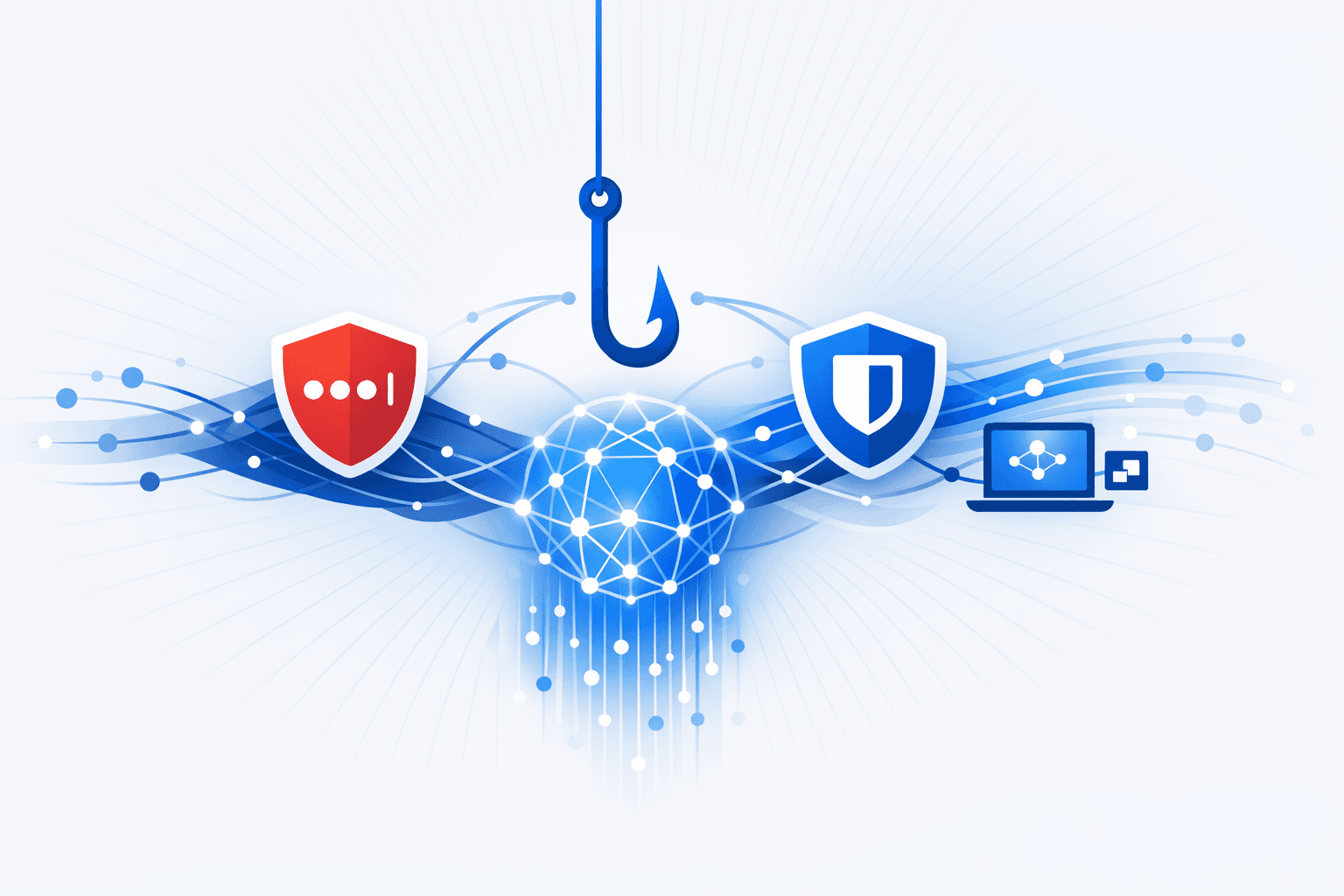
Threat actors have launched a sophisticated phishing campaign targeting users of the password managers LastPass and Bitwarden. The attackers send well-crafted emails that falsely claim LastPass or Bitwarden has suffered a security breach, urging recipients to download a new, supposedly more secure desktop version of the password manager. These emails are designed to create a sense of urgency and exploit social engineering tactics, with the goal of tricking users into downloading a malicious binary. Upon execution, the binary silently installs Syncro, a remote monitoring and management (RMM) tool commonly used by managed service providers. Once Syncro is installed, the attackers use it to deploy ScreenConnect, a remote support and access software, enabling them to further compromise the victim's system. This access allows the threat actors to deliver additional malware, steal data, and potentially compromise password vaults stored on the affected machines. The phishing emails are sent from addresses such as ‘hello@lastpasspulse[.]blog’ and ‘hello@lastpasjournal[.]blog’, and they mimic official security alerts from LastPass and Bitwarden. The messages claim that older .exe installations of the password managers are vulnerable and that users must upgrade to a new MSI installer to protect their vault data. LastPass has publicly denied any breach of its systems, clarifying that the emails are fraudulent and part of a social engineering scheme. The campaign began over a weekend, likely to take advantage of reduced staffing and slower detection during the holiday period. Bitwarden users have also been targeted with similar phishing emails, indicating a broad scope for the campaign. The attackers' use of legitimate remote access tools like Syncro and ScreenConnect makes detection and remediation more challenging for victims. The campaign follows a similar pattern to previous phishing attacks against users of other password managers, such as 1Password. Security experts warn that the use of trusted brand names and plausible security narratives increases the likelihood of user compromise. Organizations are advised to educate users about the risks of unsolicited security alerts and to verify any requests for software updates directly with the vendor. The incident highlights the ongoing threat posed by phishing campaigns that leverage trusted brands and remote access tools to gain control over user systems and sensitive data. Both LastPass and Bitwarden have issued statements to reassure users and provide guidance on identifying and avoiding these phishing attempts. The campaign demonstrates the evolving tactics of cybercriminals in targeting password manager users, who often have access to highly sensitive credentials. Security teams should monitor for unauthorized installations of RMM tools and implement controls to prevent lateral movement and data exfiltration. The incident underscores the importance of layered security defenses and user awareness training in mitigating the impact of phishing attacks.
Why it matters
Impact assessment
This campaign targets users of LastPass and Bitwarden through brand impersonation and fake breach notifications, with likely impact across enterprises, SMBs, and individual users who rely on password managers for privileged and sensitive credentials. Successful compromise can lead to full workstation takeover, credential theft, password vault exposure, follow-on malware deployment, and broader business disruption if attackers pivot from the initial host.
Key impact facts
- Target populations: LastPass and Bitwarden users, including enterprise employees and administrators with access to sensitive credentials.
- Initial lure: phishing emails claiming a LastPass or Bitwarden breach and urging installation of a "more secure" desktop version.
- Business impact: unauthorized remote access to endpoints, theft of local data and credentials, potential compromise of password vaults stored or unlocked on affected systems, and risk of downstream account takeover.
- Operational impact: attackers gain persistent remote administration capability via legitimate RMM/remote support software, complicating containment and increasing dwell time.
- Scope: broad opportunistic phishing against password manager users rather than a narrowly targeted intrusion set.
- Exploitation status: the story describes an active in-the-wild phishing campaign resulting in endpoint hijacking.
- Timing tactic: campaign reportedly began over a weekend/holiday period to exploit reduced staffing and slower response.
- Vendor status: LastPass publicly denied any breach and stated the emails are fraudulent; Bitwarden users were also reported targeted with similar lures.