BlackSuit Ransomware Attack on Global Manufacturer via Compromised VPN Credentials
Threat Actor Intelligence · 2 sources · Updated 5mo ago · First seen Oct 16, 2025

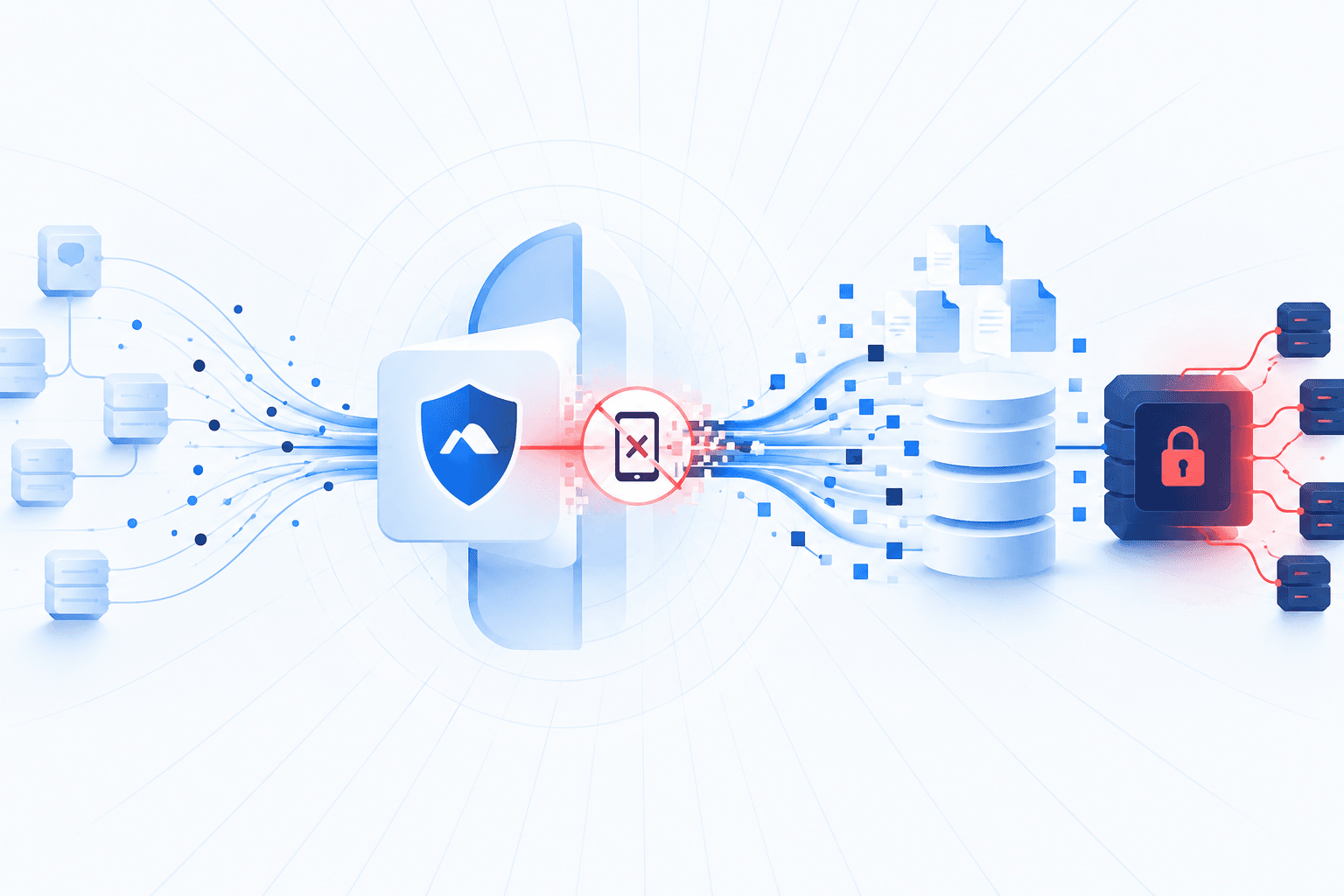
A major global equipment manufacturer suffered a severe ransomware attack orchestrated by the BlackSuit ransomware group, also known as Ignoble Scorpius. The attack began with a vishing (voice phishing) campaign in which an attacker impersonated the company's IT help desk and convinced an employee to enter their VPN credentials into a phishing site. Using these stolen credentials, the attackers gained initial access to the corporate network. Once inside, they escalated privileges by executing a DCSync attack on a domain controller, allowing them to steal highly privileged credentials, including those of a key service account. The attackers then moved laterally across the network using Remote Desktop Protocol (RDP), Server Message Block (SMB), and tools such as Advanced IP Scanner and SMBExec to map the environment and identify valuable assets. Persistence was established by deploying AnyDesk and a custom remote access trojan (RAT) as scheduled tasks on domain controllers. The threat actors compromised a second domain controller and extracted the NTDS.dit database, which contains all user password hashes, enabling further credential compromise. Over 400 GB of sensitive data was exfiltrated using a renamed rclone utility. To erase forensic evidence and hinder incident response, the attackers deployed CCleaner before launching the ransomware payload. The BlackSuit ransomware was deployed using Ansible, resulting in the simultaneous encryption of hundreds of virtual machines across nearly 60 VMware ESXi hosts, causing widespread operational disruption. The attackers demanded a $20 million ransom, which the organization refused to pay. In response, the manufacturer implemented several security measures, including upgrading to newer Cisco Adaptive Security Appliance firewalls, enforcing multi-factor authentication, segmenting the network, deactivating NTLM, and restricting administrative access to isolated VLANs. The incident highlights the significant risks posed by social engineering and credential theft, as well as the sophisticated tactics used by modern ransomware groups. The attack demonstrates the importance of robust incident response, credential hygiene, and layered security controls to mitigate the impact of such breaches. The use of legitimate remote access tools and living-off-the-land techniques by the attackers complicated detection and response efforts. The exfiltration of large volumes of sensitive data prior to encryption underscores the dual extortion tactics now common among ransomware operators. The manufacturer’s refusal to pay the ransom and rapid implementation of enhanced security controls serve as a case study in post-incident resilience. The attack also illustrates the growing trend of targeting virtualization infrastructure, such as VMware ESXi hosts, to maximize operational disruption. Security researchers and incident responders continue to analyze the tactics, techniques, and procedures (TTPs) used in this attack to inform defensive strategies for other organizations.
Why it matters
Impact assessment
BlackSuit conducted a high-impact ransomware and data theft intrusion against a global manufacturer, causing major operational disruption by encrypting hundreds of virtual machines across nearly 60 VMware ESXi hosts. Manufacturing and other enterprises with VPN-exposed remote access, Active Directory dependence, and virtualized server estates are directly relevant risk populations.
The impact was severe: theft of more than 400 GB of sensitive data, compromise of domain-wide credentials through DCSync and NTDS.dit theft, and broad business interruption from mass encryption. This was a confirmed real-world intrusion, not a theoretical exposure, and it demonstrates a targeted but repeatable tradecraft pattern that other organizations should assume can be reused.
Supporting facts
- Threat actor: BlackSuit ransomware, also referred to as Ignoble Scorpius.
- Initial access relied on vishing and credential phishing against an employee.
- Stolen VPN credentials enabled access to the corporate network.
- Privilege escalation and credential compromise reached domain-controller level.
- Data theft preceded encryption, indicating dual-extortion operations.
- Operational impact included simultaneous encryption of hundreds of VMs.
- Virtualization infrastructure affected: nearly 60 VMware ESXi hosts.
- Ransom demand: $20 million.
- Victim refused payment.
- Sector relevance: global equipment/manufacturing enterprise, but TTPs are broadly applicable to enterprises using AD, VPNs, and VMware.
- Known exploitation in the wild: yes, this story describes a completed intrusion and ransomware deployment.