Security Advancements and Risks in Model Context Protocol (MCP) Server Deployments
Emerging Technology Risk · 4 sources · Updated 5mo ago · First seen Oct 15, 2025
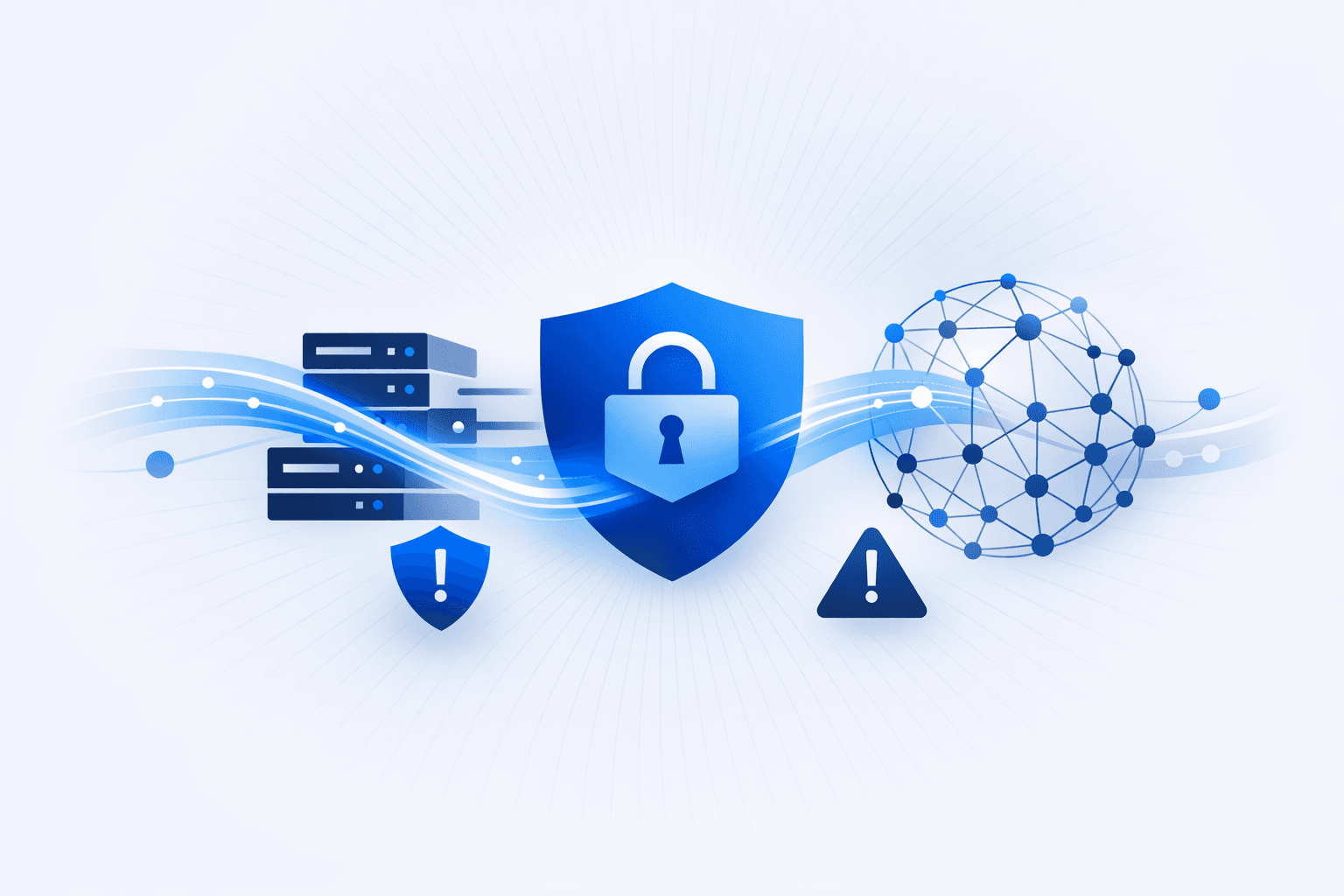
The increasing adoption of Model Context Protocol (MCP) servers to facilitate data access for artificial intelligence (AI) applications has introduced both new opportunities and security challenges for organizations. MCP servers, originally developed by Anthropic, have become a de facto standard for connecting AI models to various data sources, enabling more effective and context-aware processing of information. However, as these servers proliferate across IT environments, they have also emerged as a potential attack surface for cybercriminals seeking to exploit vulnerabilities for data exfiltration and unauthorized access. To address these risks, MCPTotal has launched a Secure MCP Platform that provides a centralized approach to managing and securing MCP server deployments. This platform employs a hub-and-gateway architecture, allowing organizations to catalog, authenticate, and monitor MCP servers through a graphical interface, ensuring only vetted servers are deployed. The Secure MCP Platform also functions as an AI-native firewall, capable of monitoring traffic, enforcing security policies in real time, and surfacing supply chain exposures, prompt injection vulnerabilities, rogue server activity, and authentication gaps. Traditional security tools and even some newer solutions designed for large language models (LLMs) are not equipped to monitor or control MCP-specific traffic, highlighting the need for specialized platforms like MCPTotal’s offering. In parallel, security vendors such as Sysdig and Snyk are leveraging AI-powered approaches to integrate static vulnerability findings with real-time cloud context, using MCP servers to bridge the gap between code-level vulnerabilities and live cloud exposures. This integration enables security teams to prioritize risks based on actual exposure and behavior, rather than being overwhelmed by theoretical vulnerabilities. The use of large language models (LLMs) and MCP servers allows for rapid correlation of security signals across domains, reducing manual effort and improving the accuracy of risk assessments. The dynamic nature of cloud workloads, including ephemeral containers and microservices, further complicates the security landscape, making real-time context and automated policy enforcement essential. By combining advanced AI techniques with secure MCP server management, organizations can better defend against both traditional vulnerabilities and emerging threats targeting AI infrastructure. The evolution of MCP server security reflects a broader trend toward context-aware, AI-driven security solutions that can adapt to the complexities of modern cloud environments. As MCP servers become more integral to AI operations, their security will be critical to maintaining data integrity and preventing sophisticated attacks. The industry’s response, as seen in the launch of secure hosting platforms and the integration of AI-powered risk analysis, demonstrates a proactive approach to safeguarding the next generation of AI-enabled systems. Organizations are encouraged to adopt these new security measures to ensure that the benefits of MCP servers and AI applications are not undermined by preventable security lapses. The convergence of AI, cloud, and secure protocol management marks a significant step forward in the ongoing effort to protect digital assets in an increasingly interconnected world.
Why it matters
Impact assessment
MCP server deployments introduce a growing exposure point for organizations building or operating AI-enabled workflows, especially where MCP bridges LLMs to internal data sources, cloud services, and enterprise applications. The primary risk is unauthorized data access, data exfiltration, and policy bypass through poorly governed or rogue MCP servers rather than a single disclosed software flaw.
The exposure appears broad across organizations adopting MCP as an integration layer for AI applications, with particular relevance to cloud-native environments using ephemeral workloads, microservices, and multiple data connectors. The story does not cite confirmed in-the-wild exploitation campaigns or named victim incidents, but it clearly describes an emerging attack surface that can create operational, financial, and reputational impact if left unmanaged.
Affected entities and environments
- Organizations deploying MCP servers to connect AI models to enterprise data sources
- Cloud-native environments with containers, microservices, and short-lived workloads
- Security teams relying on traditional network or LLM security tools that lack MCP-specific visibility
- Enterprises integrating code security findings with live cloud context through MCP-based workflows
Severity and business consequences
- Unauthorized access to sensitive enterprise data exposed through MCP-connected systems
- Data exfiltration risk from insecure, rogue, or insufficiently authenticated MCP servers
- Increased likelihood of policy violations and supply chain exposure in AI infrastructure
- Operational disruption from unmanaged AI integrations and weak governance over server deployment
- Reputational and compliance impact if AI-connected data sources are accessed outside approved controls
Scope and exploitation status
- Scope is potentially widespread wherever MCP has become a standard integration mechanism for AI tooling
- Risk is amplified in environments with rapid cloud change and decentralized AI experimentation
- No specific breach, malware family, or active exploitation case is identified in the provided story content