1Password Secure Agentic Autofill Protects Credentials from AI Browser Agents
Emerging Technology Risk · 2 sources · Updated 5mo ago · First seen Oct 10, 2025
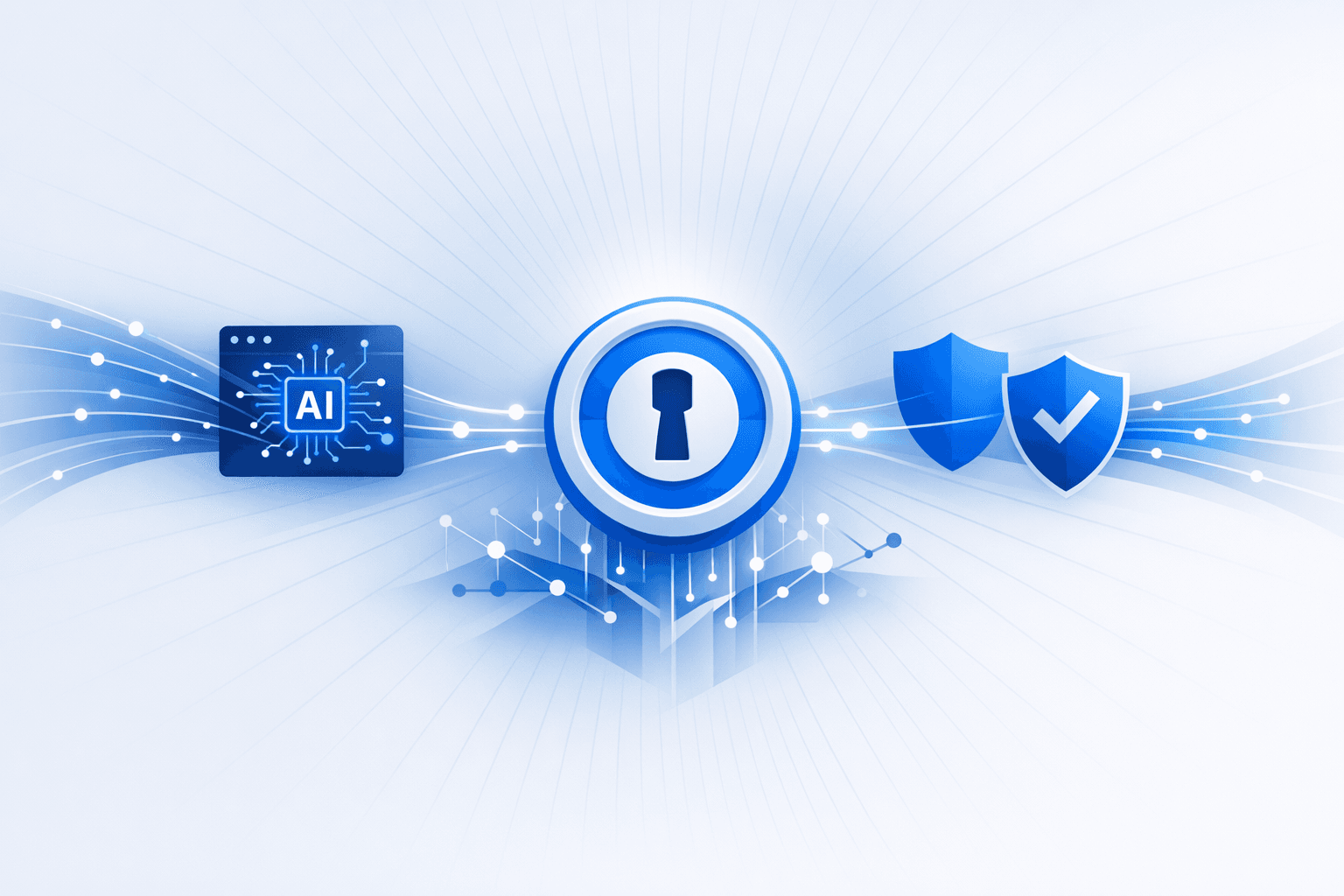
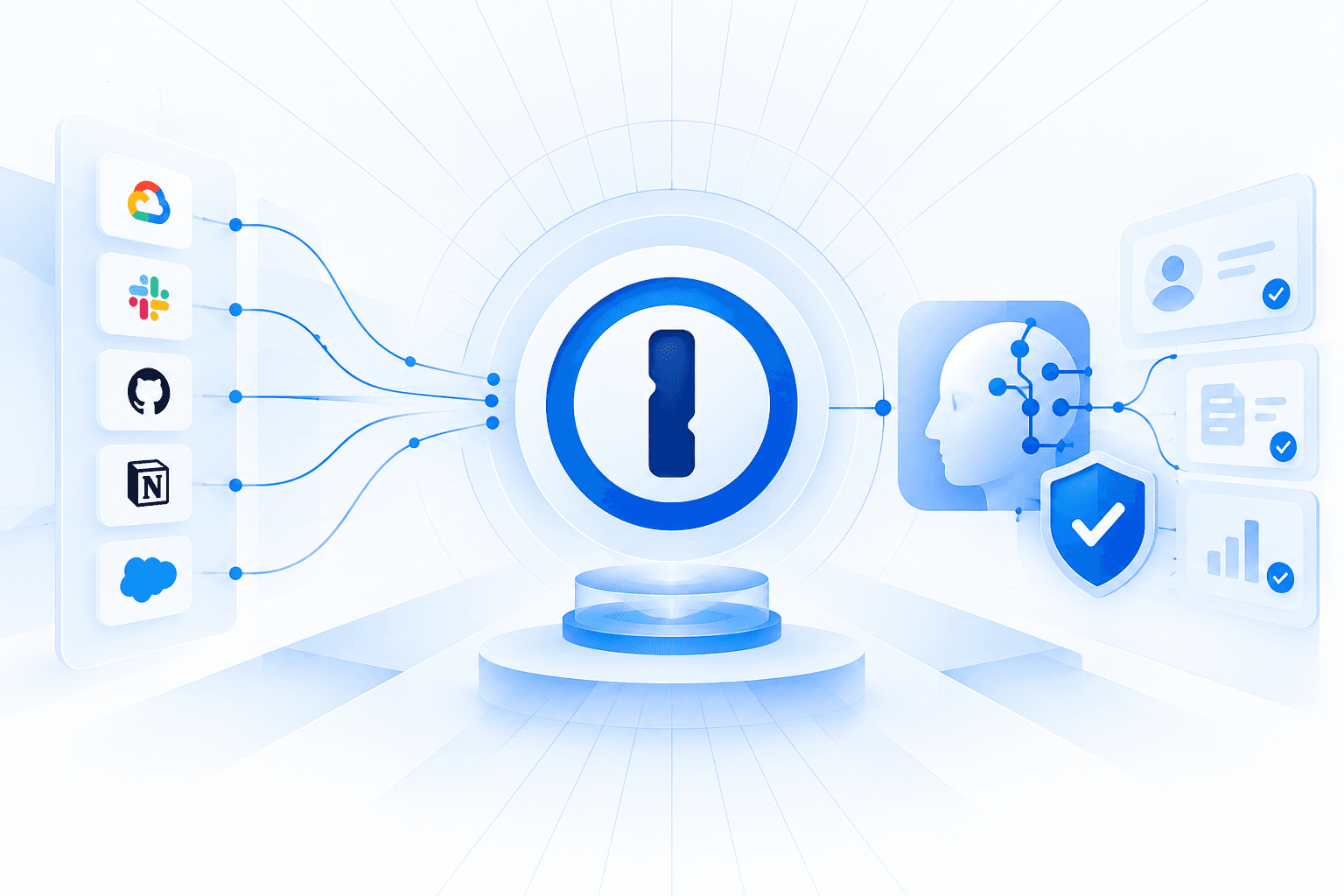
1Password has introduced a new security feature called Secure Agentic Autofill, designed to address the growing risks associated with AI-powered browser agents in enterprise environments. As organizations increasingly rely on agentic browsers—browsers that use artificial intelligence agents to automate tasks—new authentication challenges have emerged, particularly the risk of credential leakage. AI browser agents, while efficient at automating repetitive tasks such as form filling, appointment scheduling, and online purchases, often store sensitive credentials and secrets in browser session storage or cookies, which are frequently unencrypted and vulnerable to attack. Attackers have begun to exploit these weaknesses, recognizing that more enterprise work is conducted within browsers, thereby increasing the attack surface. To mitigate these risks, 1Password has partnered with Browserbase to launch Secure Agentic Autofill, a capability that allows AI agents to authenticate in browsers without exposing user credentials. This feature incorporates a human-in-the-loop approach, ensuring that sensitive authentication processes remain under user control and oversight. The solution aims to provide enterprises with greater visibility, control, and governance over how AI agents access internal systems and sensitive data. Nancy Wang, SVP of engineering at 1Password, emphasized that Secure Agentic Autofill is designed to solve the pressing issues of credential exposure and unauthorized access by keeping humans involved in the authentication loop. The feature is particularly relevant as a new generation of agentic browsers, such as Perplexity’s Comet and Opera Neon, gain popularity and are integrated into enterprise workflows. By preventing AI agents from directly accessing or storing credentials, 1Password’s solution reduces the risk of credential theft and subsequent breaches. The integration with Browserbase further enhances the security posture by ensuring that only authorized agents, under human supervision, can perform sensitive operations. This development reflects a broader industry trend of addressing the security implications of AI-driven automation in the workplace. Enterprises adopting AI browser agents are encouraged to implement solutions like Secure Agentic Autofill to maintain robust authentication security. The launch of this feature demonstrates 1Password’s commitment to proactively addressing emerging threats in the evolving landscape of identity and access management. As AI agents become more prevalent, the need for secure, user-controlled authentication mechanisms will continue to grow. 1Password’s Secure Agentic Autofill sets a new standard for protecting credentials in environments where AI automation is increasingly common. The feature is expected to help organizations balance the benefits of AI-driven productivity with the imperative of maintaining strong security controls. By keeping a human in the loop, 1Password ensures that enterprises can safely leverage AI agents without compromising sensitive information.
Why it matters
Impact assessment
This story describes an emerging identity and browser-security exposure tied to enterprise use of AI browser agents, not a disclosed software vulnerability or active breach. Organizations adopting agentic browsers and browser-based AI automation are affected because credentials, session tokens, and secrets may be exposed through browser storage, cookies, or agent workflows if controls are weak.
The potential impact is high for enterprises that allow AI agents to perform authenticated tasks in business applications: credential theft, unauthorized access, downstream account compromise, and possible data exposure across SaaS and internal web apps. The scope is currently broad but preventive in nature, affecting any enterprise evaluating or deploying AI-driven browser automation rather than a narrowly targeted victim set.
Supporting facts
- Affected populations: enterprises using AI-powered browser agents or agentic browsers for automated web tasks.
- Affected workflows: form filling, appointment scheduling, online purchases, and other browser-mediated authenticated actions.
- Products/entities named: 1Password, Browserbase, Perplexity Comet, Opera Neon.
- Risk described: credentials and secrets may be stored in browser session storage or cookies and exposed to theft or misuse.
- Business impact if abused: unauthorized access to internal systems and sensitive data, credential compromise, and follow-on breach risk.
- Exploitation status: the story states attackers have begun exploiting weaknesses in browser-centric enterprise workflows, but it does not provide incident details, victim names, or confirmed in-the-wild exploitation evidence tied to a specific campaign.