GitHub Copilot Chat Vulnerability Enabling Data Exfiltration via Image Proxy Abuse
Emerging Technology Risk · 7 sources · Updated 5mo ago · First seen Oct 9, 2025

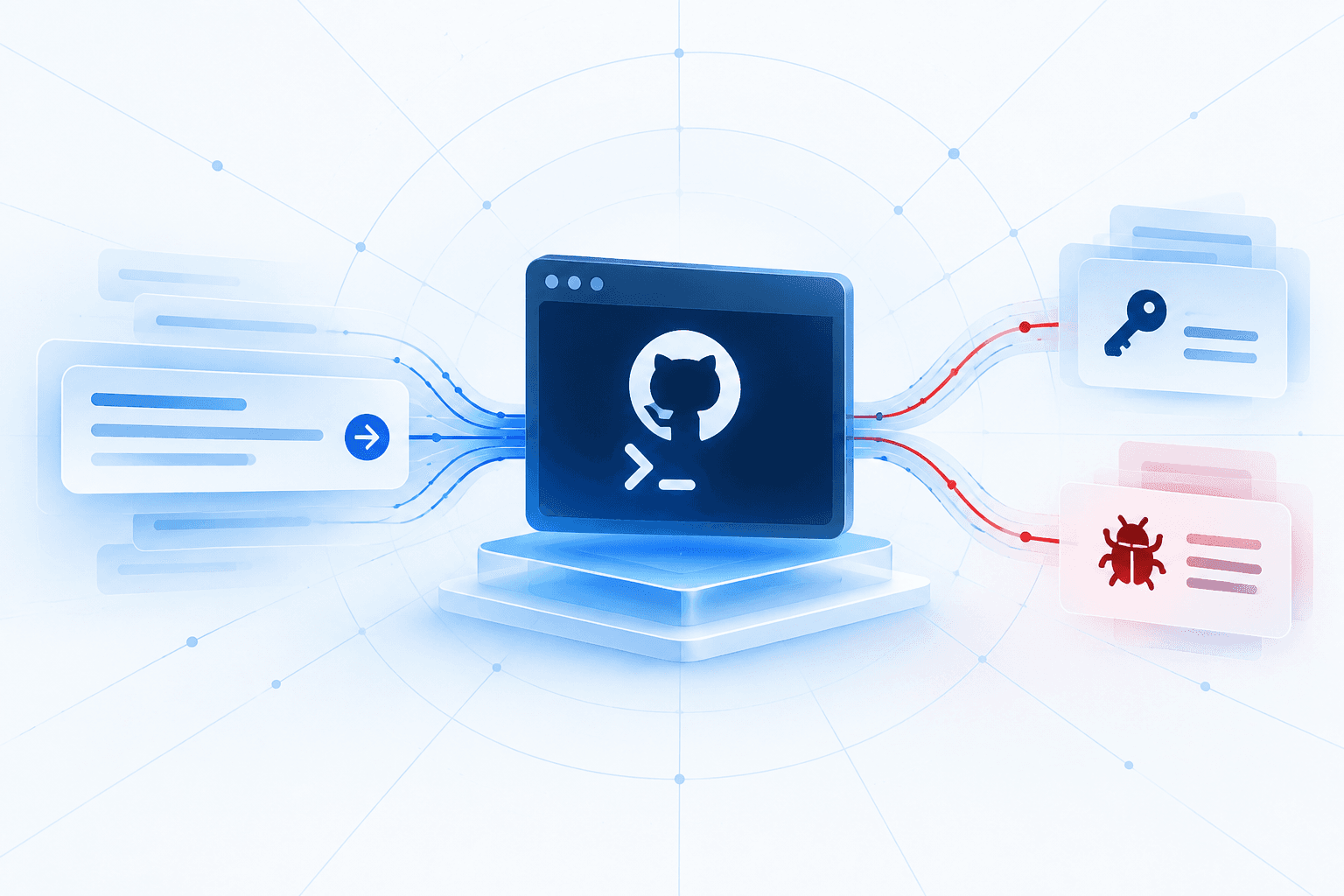
A critical vulnerability was discovered in GitHub Copilot Chat that could have allowed attackers to exfiltrate private source code and sensitive secrets from repositories by exploiting the platform’s AI assistant and image proxying service. The flaw, identified by Legit Security researcher Omer Mayraz, involved a sophisticated attack chain that combined remote prompt injection with a bypass of GitHub’s content security policy. Attackers could embed hidden prompts within pull request comments or other repository content, which Copilot Chat would process without proper isolation or validation. This allowed the attacker to manipulate Copilot’s responses and assemble signed image links that leveraged GitHub’s Camo image proxy service to transmit stolen data outside the platform. The exploit, dubbed "CamoLeak," demonstrated that even advanced AI-powered developer tools can be manipulated to leak confidential information, including passwords and private keys, with minimal user awareness. The proof-of-concept attack showed that the exfiltration channel was subtle enough to evade detection by both users and GitHub’s monitoring systems. GitHub Copilot Chat’s context awareness, which enables it to read repository files, pull requests, and other workspace artifacts, was a key factor in the attack’s success, as it provided the AI assistant with access to sensitive data that could be extracted through manipulated prompts. Upon responsible disclosure via HackerOne, GitHub responded by disabling image rendering in Copilot Chat and patching the vulnerability as of August 14. The incident highlights the growing risks associated with integrating AI agents into software development workflows, especially when such agents have broad access to sensitive project data. Security experts noted that while the attack was limited in the amount of data it could exfiltrate at once, the potential impact was significant due to the nature of the information at risk. The case underscores the importance of rigorous security validation for AI-driven features and the need for continuous monitoring of new attack vectors as AI adoption accelerates in development environments. GitHub’s swift response and remediation efforts were commended, but the event serves as a cautionary tale for organizations relying on AI-powered coding assistants. The vulnerability also illustrates the creative lengths attackers may go to bypass security controls, turning legitimate platform features like image proxies into covert data exfiltration channels. The research community continues to scrutinize AI integrations for similar weaknesses, emphasizing the need for secure-by-design principles in next-generation developer tools. Organizations are advised to review their use of AI assistants, ensure prompt application of security updates, and educate developers about the risks of prompt injection and related attacks. The incident has prompted broader discussions about the balance between AI functionality and security, especially as more platforms embed intelligent agents into core workflows. Ultimately, the GitHub Copilot Chat vulnerability demonstrates both the promise and peril of AI in software development, reinforcing the need for vigilance and proactive defense measures.
Why it matters
Impact assessment
GitHub Copilot Chat users with access to private repositories were exposed to a critical data exfiltration risk through CVE-2025-59145, especially software development teams that use Copilot to review pull requests and repository content. The impact is severe because the flaw could leak private source code, API keys, cloud credentials, and other secrets without malware execution and with little user visibility.
The exposure appears broad across organizations using vulnerable Copilot Chat workflows, but exploitation required a targeted setup: an attacker-controlled pull request or repository content and a developer invoking Copilot Chat on that content. Public reporting describes a proof-of-concept and responsible disclosure; the provided references do not confirm widespread in-the-wild exploitation, but the attack path is practical enough to warrant immediate review.
Affected entities
- Product: GitHub Copilot Chat
- User population: Developers, engineering teams, DevOps teams, and organizations using Copilot Chat against private repositories
- Potentially analogous risk surface: Microsoft 365 Copilot, Google Gemini, and other AI assistants with broad access to enterprise data
Severity and business impact
- CVSS: 9.6
- Data at risk: Private source code, passwords, API keys, AWS keys, cloud secrets, and other repository-resident sensitive data
- Operational impact: Confidential code and secrets exposure can enable follow-on compromise, cloud abuse, lateral movement, and software supply chain risk
- Reputational and financial impact: Exposure of proprietary code or credentials can trigger incident response costs, customer trust damage, and regulatory or contractual consequences
Scope and exploitation status
- Scope: Potentially widespread among Copilot Chat users before GitHub’s August 2025 fix
- Exploitation model: Targeted social/technical attack requiring a malicious pull request and user interaction with Copilot Chat
- Known incidents: References describe researcher demonstration and disclosure; no confirmed mass exploitation is stated in the provided material