Cybersecurity Awareness Guidance for Handling Suspicious Links and Employee Training
Social Engineering & Fraud · 2 sources · Updated 5mo ago · First seen Oct 8, 2025
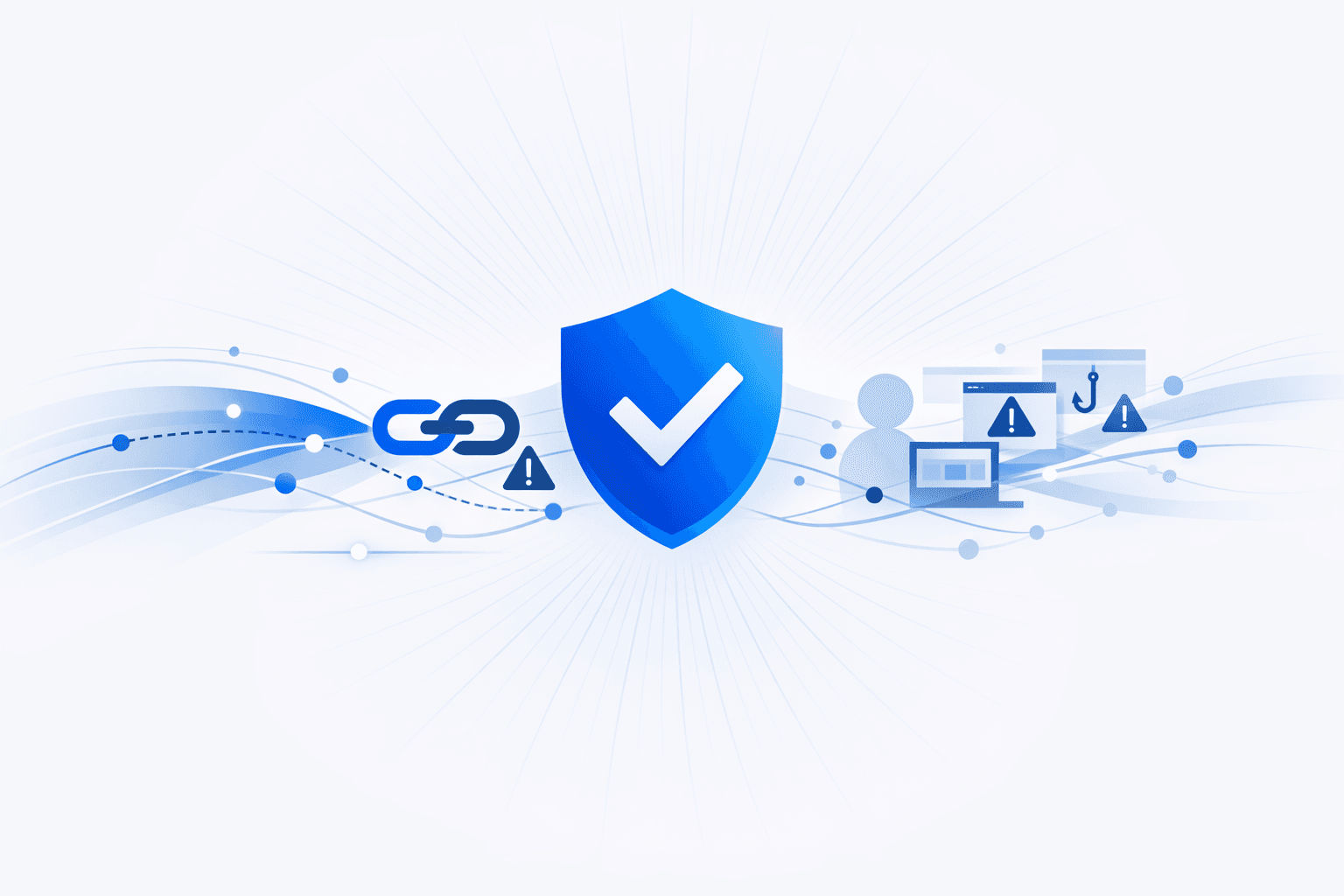
Cybersecurity Awareness Month serves as a critical reminder of the persistent risks posed by human error in cybersecurity, with a significant proportion of breaches attributed to avoidable user actions. When individuals click on suspicious links, immediate and structured responses are essential to mitigate potential threats. For work devices, the recommended action is to promptly contact IT support and adhere to established incident response protocols, as organizations often have specific tools and policies for investigating and remediating such incidents. On personal devices, users are advised to exit the browser, check for and delete any unauthorized downloads, and monitor for unusual device behavior such as increased battery drain, app crashes, or the appearance of unknown applications. If credentials are entered on a phishing site, it is crucial to change passwords immediately, force logouts on all devices, and remain vigilant for unauthorized multifactor authentication prompts, which could indicate active attempts to compromise accounts. These steps are designed to contain threats, prevent further compromise, and reduce the risk of follow-up attacks. Despite significant investments in security infrastructure, the majority of breaches still stem from human mistakes, highlighting the limitations of traditional security awareness training (SAT). Many employees find conventional SAT repetitive and disconnected from real-world threats, leading to disengagement and limited effectiveness. Modern cyber threats, including AI-driven phishing and social engineering, require adaptive and personalized training approaches. Just-in-time coaching, which provides immediate guidance when risky behavior is detected, can reinforce correct responses and improve knowledge retention. Personalizing training based on an employee’s role, risk profile, and observed behaviors ensures that content is relevant and impactful. The overarching goal is to transform employees from potential liabilities into active defenders by fostering behavioral change rather than mere compliance. Organizations are encouraged to adopt smarter, AI-enabled training solutions that address the evolving tactics of adversaries and bridge the gap between awareness and effective action. By combining technical response protocols with modernized training, both individuals and organizations can better defend against the growing sophistication of cyber threats. Continuous education, real-time feedback, and a focus on practical, scenario-based learning are key to reducing the risk of successful attacks initiated through user actions. Ultimately, a proactive and informed workforce is essential for maintaining robust cybersecurity defenses in the face of ever-changing threats.
Why it matters
Summary
This story is general defensive guidance on phishing response and security awareness maturity, not a report of a new vulnerability or active campaign. The primary risk applies broadly to any organization with email, web access, and credential-based services, because user-driven phishing remains a common initial access path.
Impact assessment
Human error can lead to credential theft, malware delivery, session hijacking, and downstream business email compromise or internal account abuse. The potential impact includes account takeover, operational disruption, fraud, reputational damage, and follow-on intrusion activity, but the article does not describe a specific incident set, victim cluster, or exploitation wave.
Who is affected
- All industries and user populations that rely on employee email, browsers, SaaS platforms, and MFA-protected accounts
- Organizations with remote or hybrid workforces where users routinely interact with links on managed and unmanaged devices
- Individual users handling suspicious links on personal devices as well as enterprise-managed endpoints
Severity and scope
- Severity is potentially high at the incident level if phishing leads to credential compromise or malware execution
- Scope is broad but nonspecific; this is awareness guidance applicable across environments rather than a targeted exposure
- No confirmed exploitation-in-the-wild details, named threat actors, or victimology are provided in the story
Supporting facts extracted from references
- Cisco Talos guidance emphasizes immediate reporting to IT after clicking suspicious links on work devices
- Guidance for personal devices includes closing the browser, checking for unauthorized downloads, and monitoring for abnormal behavior
- If credentials were submitted, users are advised to change passwords immediately, force logout sessions, and watch for suspicious MFA prompts
- SC Media commentary states many breaches still stem from human mistakes and argues for personalized, just-in-time awareness training