Human Risk Management and Simulation Strategies in Cybersecurity Defense
Social Engineering & Fraud · 3 sources · Updated 5mo ago · First seen Oct 6, 2025
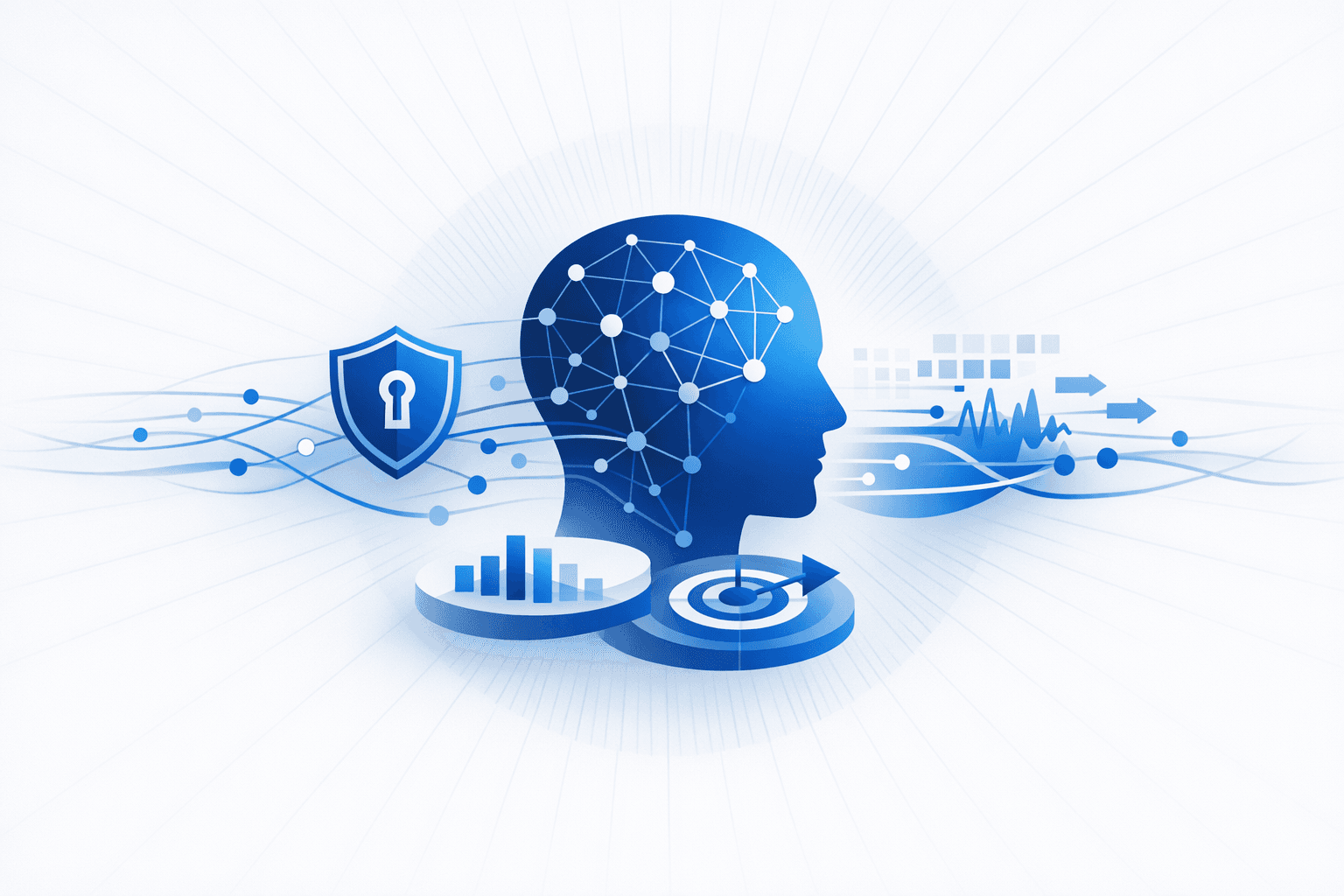
Organizations are increasingly recognizing the critical role of human behavior in cybersecurity defense, as highlighted by recent industry discussions and practical guides. Security leaders are moving beyond a one-size-fits-all approach, instead segmenting users into distinct personas such as socially engineered victims, accidental insiders, convenience-driven rule-benders, and malicious insiders. This nuanced understanding allows for more targeted security controls and training interventions. The DEEP Matrix framework has been introduced as a diagnostic tool to map security controls—both technical and human—across these personas, enabling organizations to identify gaps and strengthen their overall defense posture. Phishing and spear-phishing simulations remain a cornerstone of evaluating employee susceptibility to social engineering attacks, with red team exercises and vendor-led campaigns providing actionable insights into risky behaviors. These simulations are particularly effective for employees in sensitive roles, such as HR, executives, and legal teams, who are often targeted by attackers. Threat and Attack Simulation (TAS) exercises are emphasized as essential for assessing the effectiveness of security training and reinforcing the importance of policy adherence. Security Operations Centers (SOCs) play a pivotal role in this ecosystem, employing a layered approach to detection and response that includes email security gateways, network monitoring, endpoint protection, and threat intelligence platforms. Tools such as GoPhish, Cofense, Proofpoint, and Mimecast are commonly used for phishing simulations and detection, while Suricata, Snort, and Zeek provide robust network monitoring capabilities. Endpoint security solutions like CrowdStrike and Microsoft Defender for Endpoint further enhance detection and response. SOCs also leverage SIEM and SOAR platforms for centralized log management, correlation, and automation, ensuring rapid response to detected threats. Best practices for SOCs include regular testing of detection capabilities, tuning alerts to minimize false positives, and conducting purple-team exercises to simulate real-world attack scenarios. The integration of technical controls with human-centric strategies is seen as vital for building a resilient security posture. By continuously evaluating and empowering employees, organizations can transform their workforce from a potential vulnerability into a key line of defense. These combined approaches underscore the importance of a unified, adaptive defense strategy that addresses both technological and human elements of cybersecurity risk.
Why it matters
Impact assessment
This story describes defensive strategy guidance rather than a new vulnerability or active threat campaign. The primary affected population is organizations building security awareness, SOC detection coverage, and insider-risk controls, especially enterprises with high-risk user groups such as executives, HR, finance, and legal staff.
The impact is indirect but operationally significant: weak human-risk segmentation and poorly tested phishing defenses increase the likelihood of credential theft, business email compromise, malware delivery, and policy bypass. The scope is broad because the guidance applies across industries, but there are no specific incidents, exploited products, or confirmed in-the-wild attacks disclosed in the referenced material.
Supporting facts
- Focus area: human risk management, phishing simulation, SOC validation, and layered detection.
- High-risk user populations called out: HR, executives, and legal teams.
- Potential business consequences discussed: increased exposure to social engineering, insider-driven mistakes, and control gaps.
- Scope: broadly applicable best-practice guidance, not a targeted victim set.
- Known exploitation: none reported in the story.
- Industries affected: cross-sector organizations operating email, endpoint, network, and SOC monitoring stacks.